Way Back Buttons Project
This series of buttons are an attempt to document and preserve defunct businesses and events from Vermont’s past, primarily within Chittenden County. To supplement them, I’ve added this page on my website to provide details about each one.
Please note that this page is still very much in its infancy while I continue to do research and gather information/photos. If you have any core memories, insider knowledge, or photos you’d like to share about a business listed here, please email them to me at alex@suspiciousduck.com and I’ll consider adding them to this page.
SET 1 – Childhood
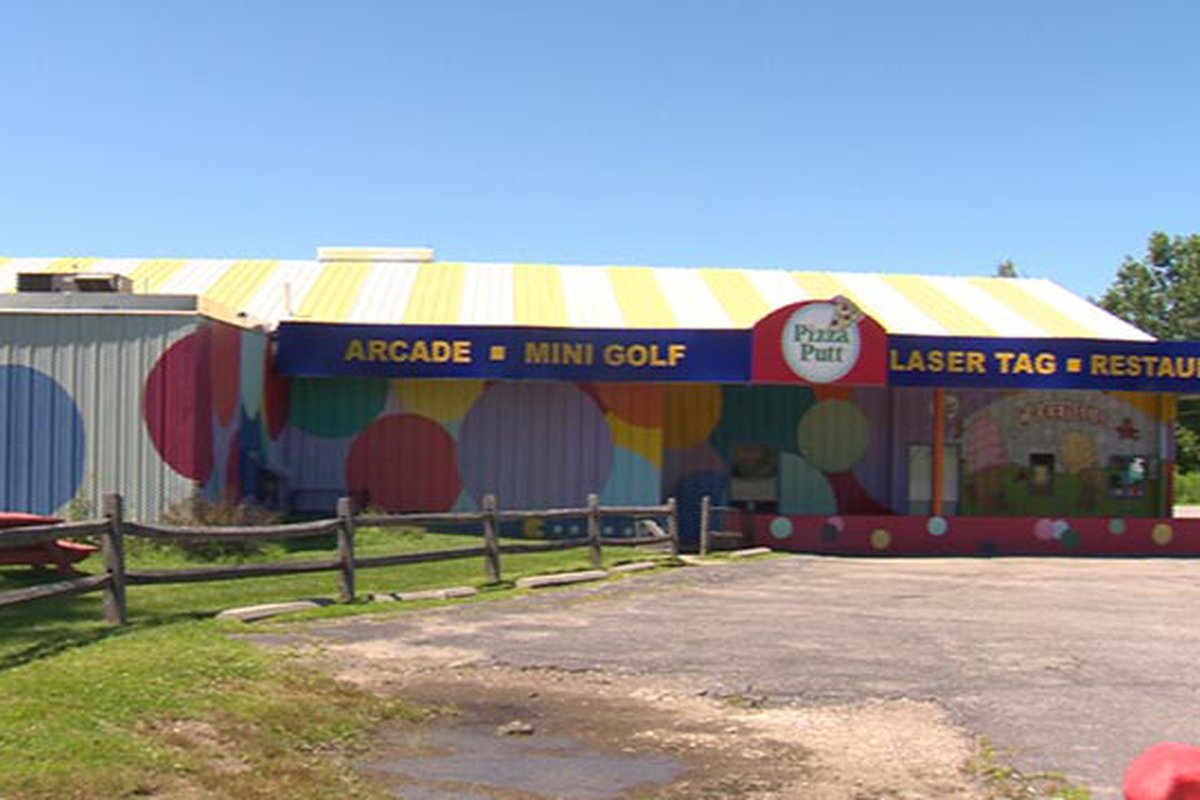
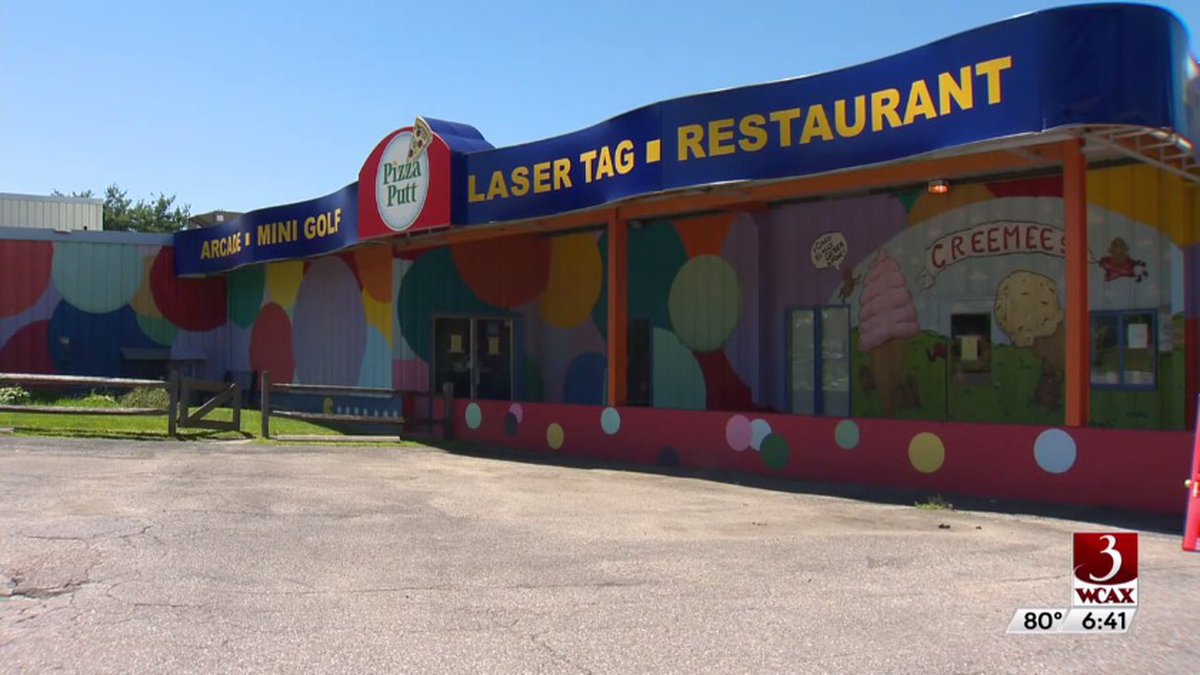
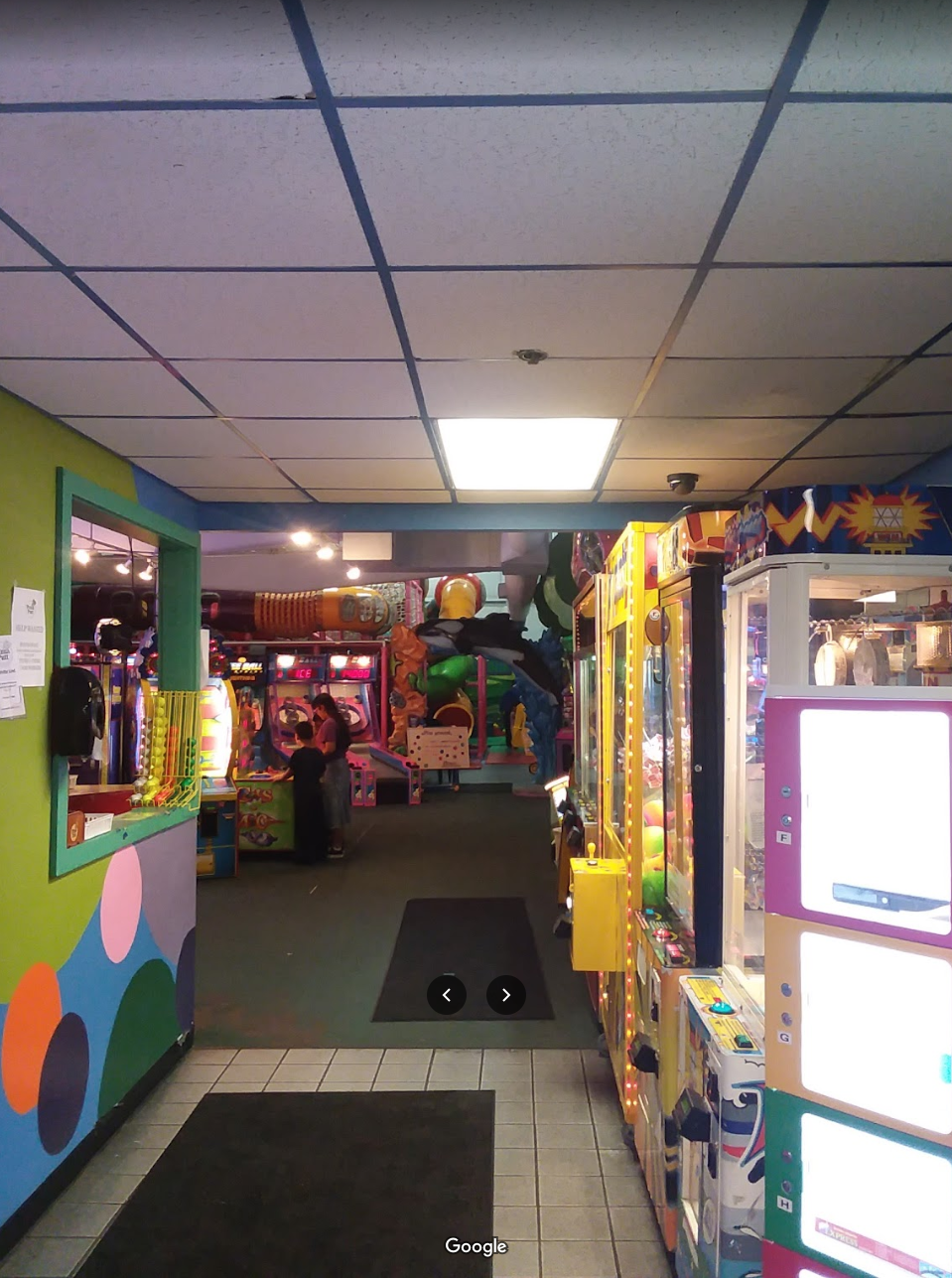
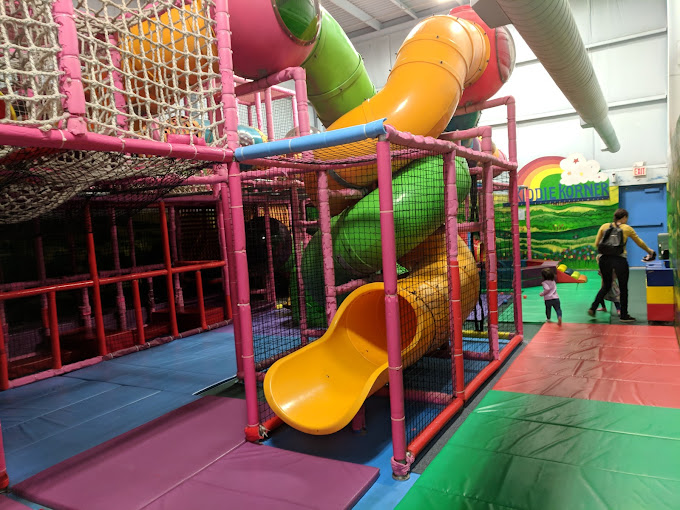
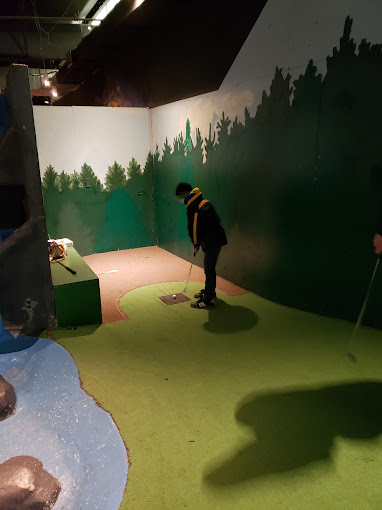
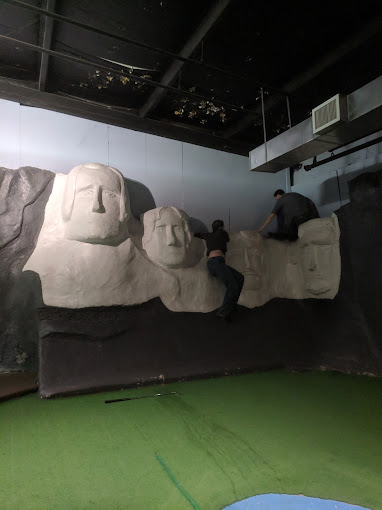
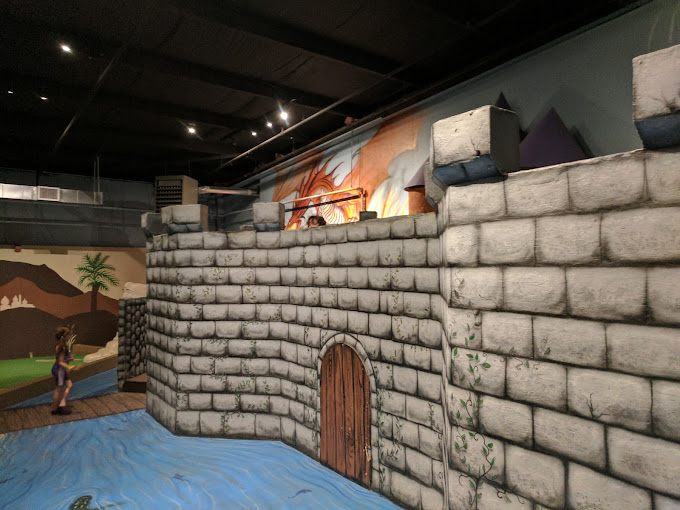
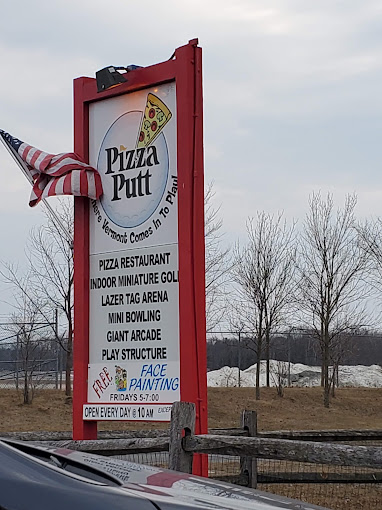
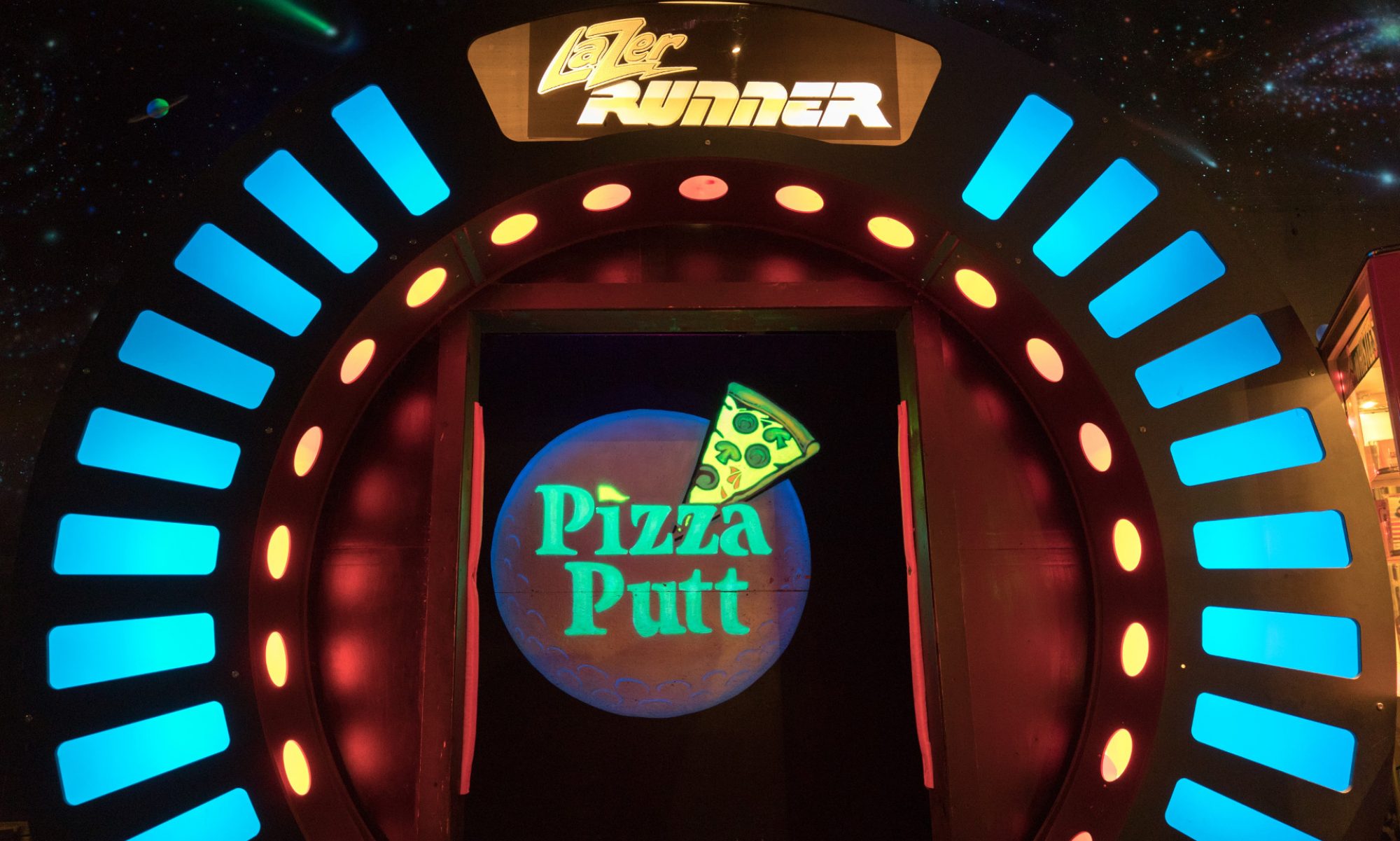
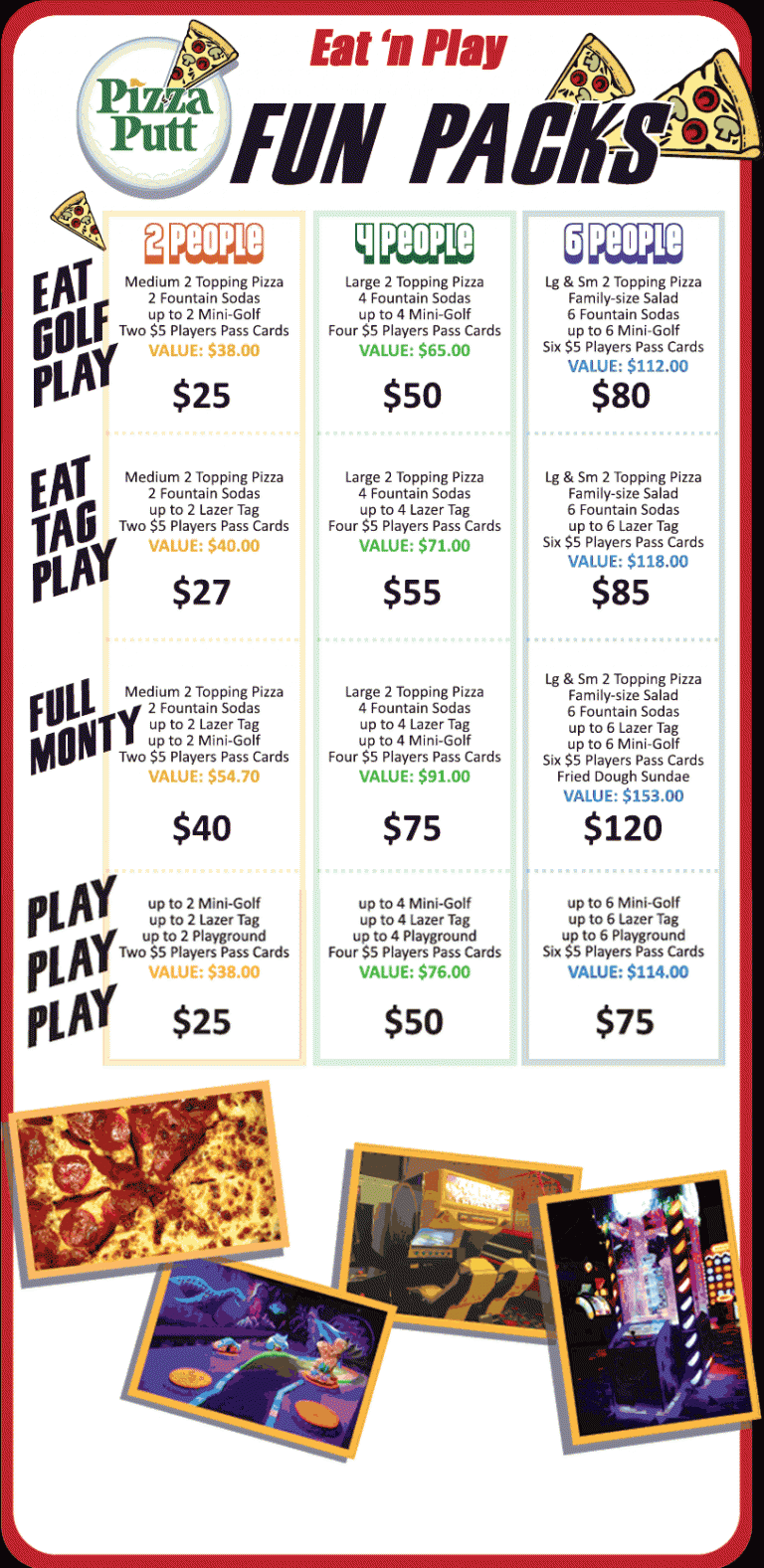
Pizza Putt
South Burlington
1998-2017
Entertainment spot that offered mini golf, laser tag, batting cages, arcades, playground structure, and a full service restaurant.
Dream Machine
South Burlington
1995-2005
Arcade located in the University Mall, which included a section for LAN PC gaming in its later years.
Dream Machine began as a small family business in the Boston, Massachusetts area, before expanding to areas throughout New England
No online photos available; please email me any you have.
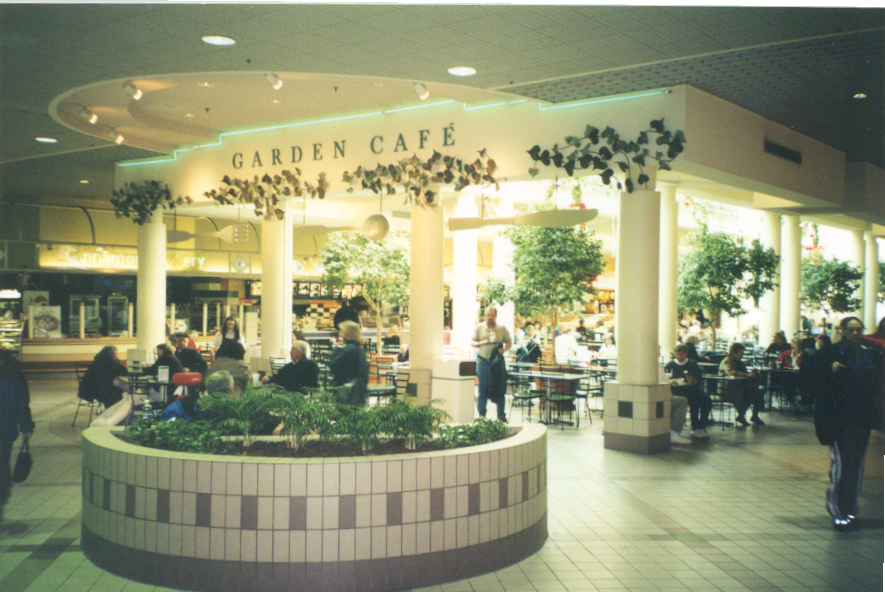
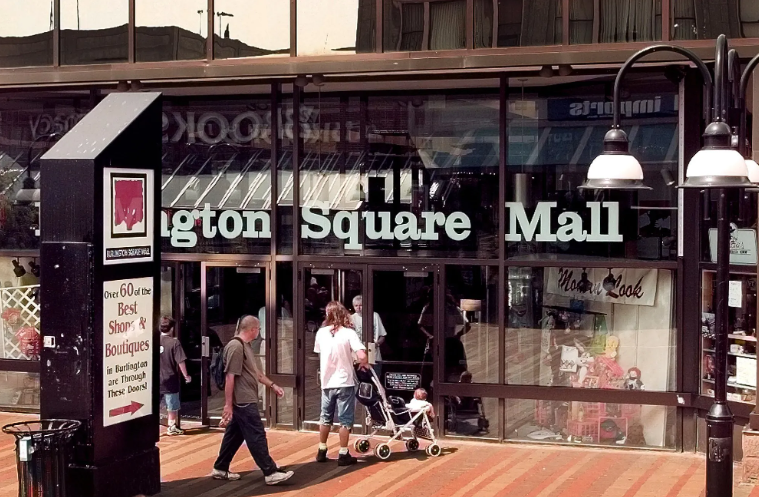
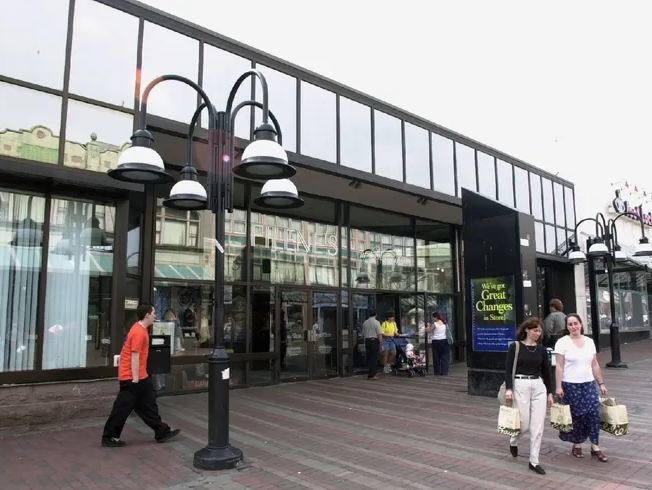
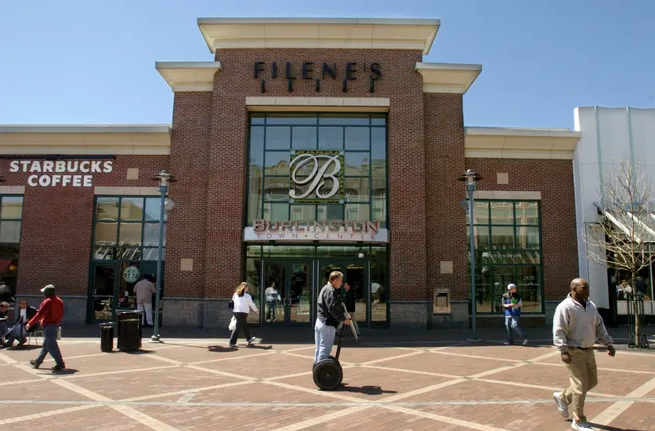
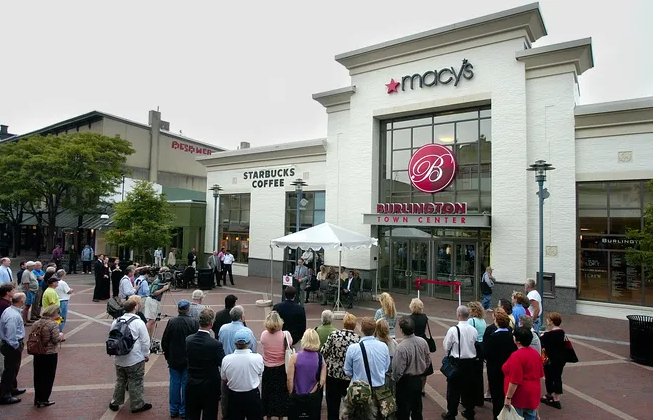
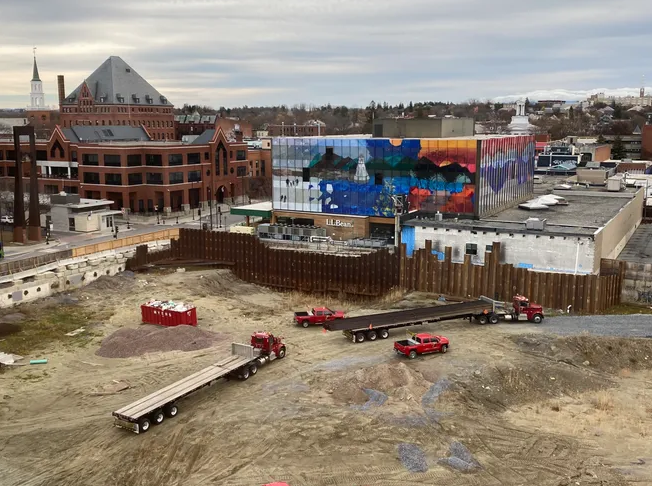
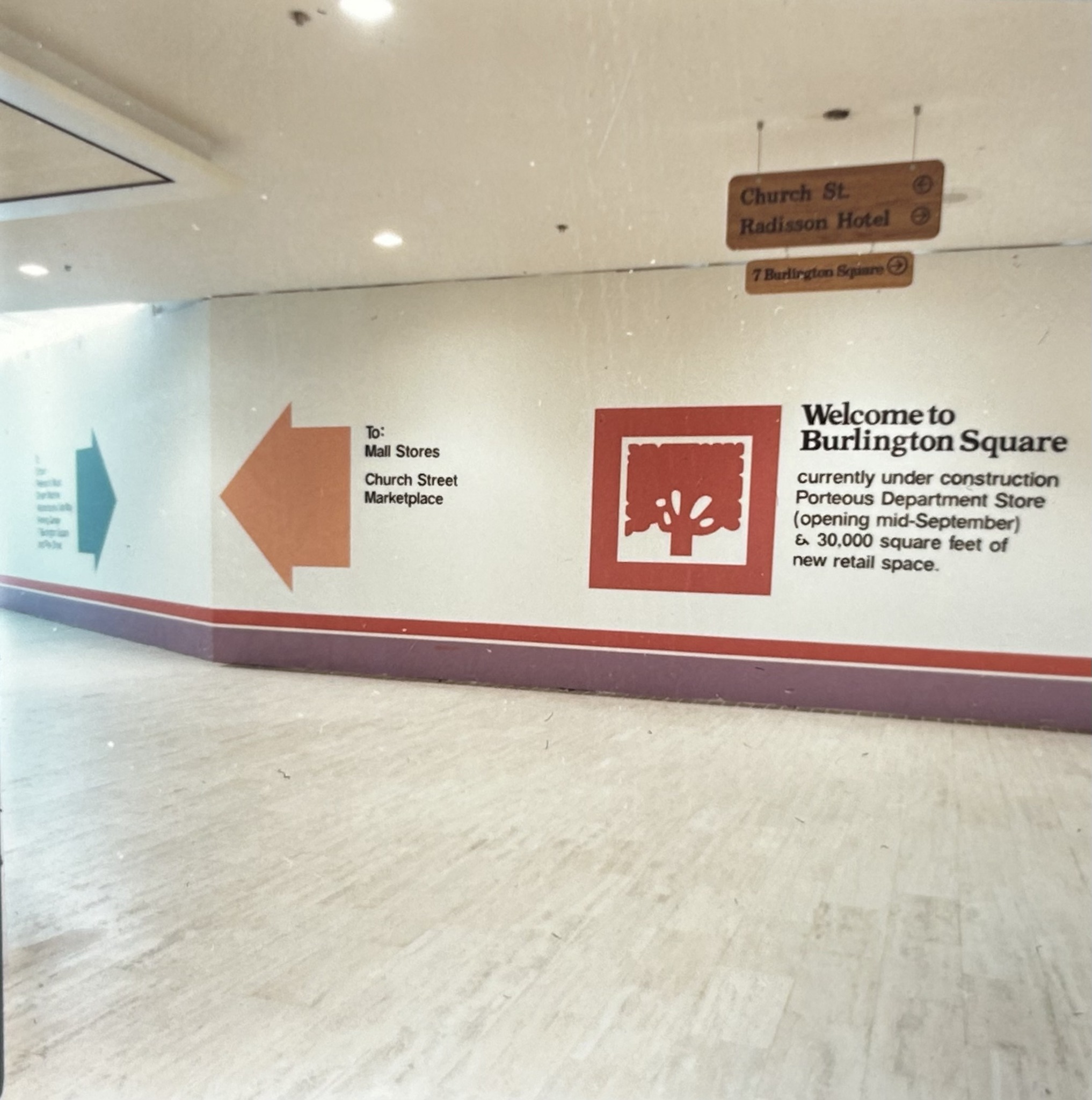
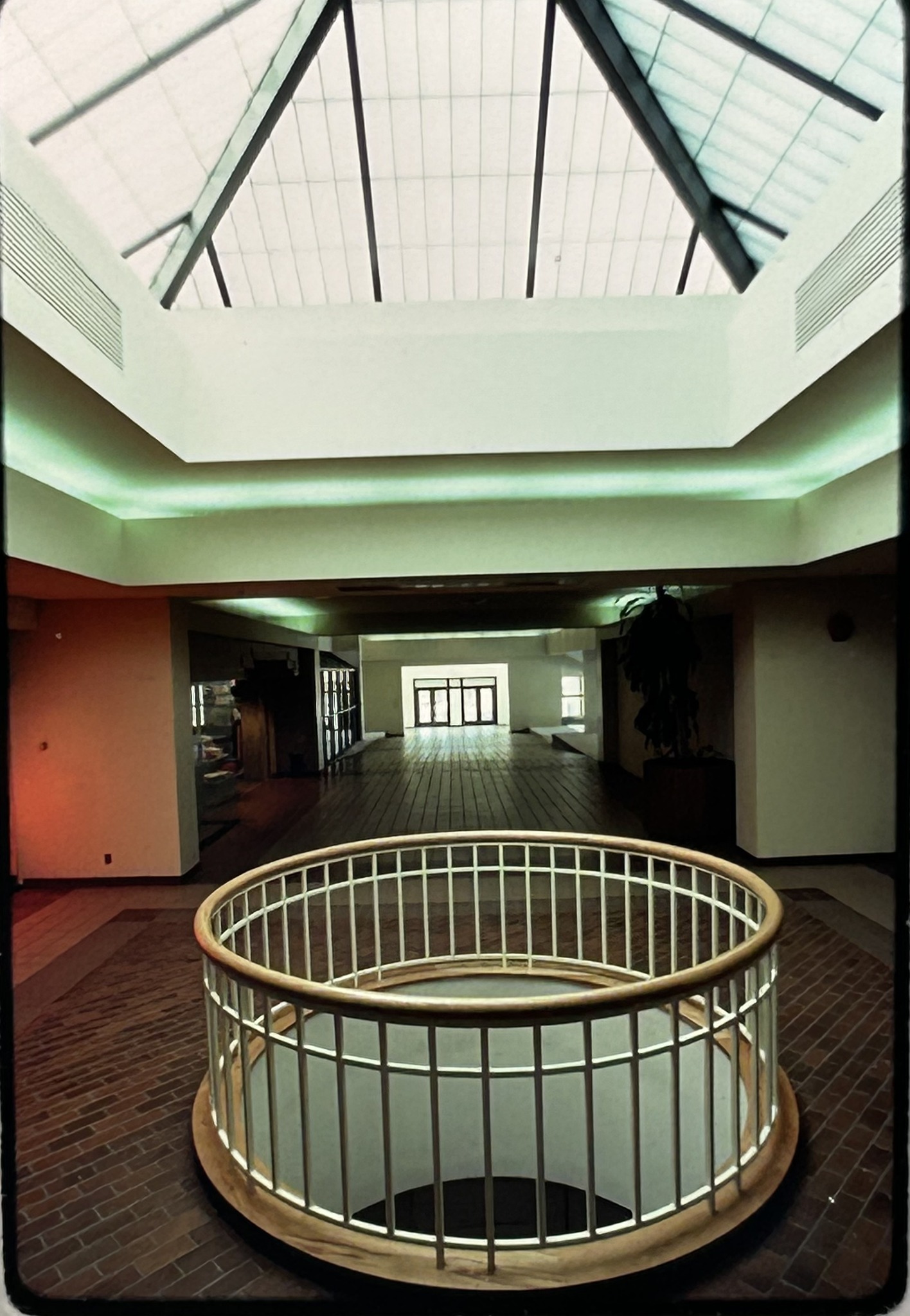
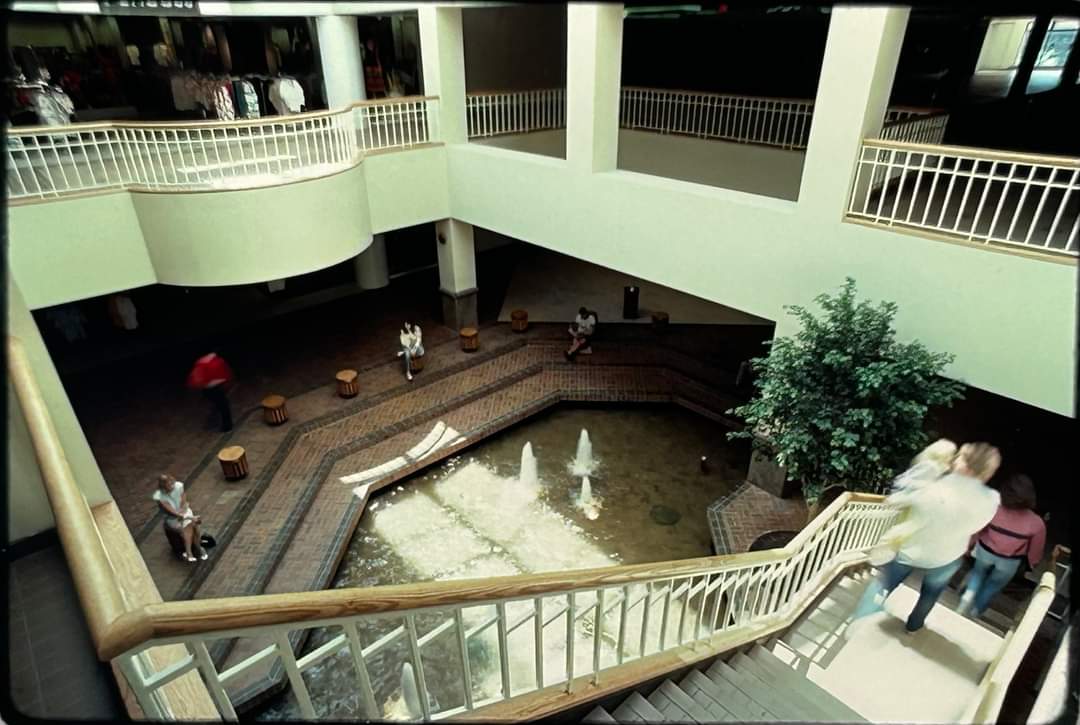
Square Mall
Burlington
1978-2001
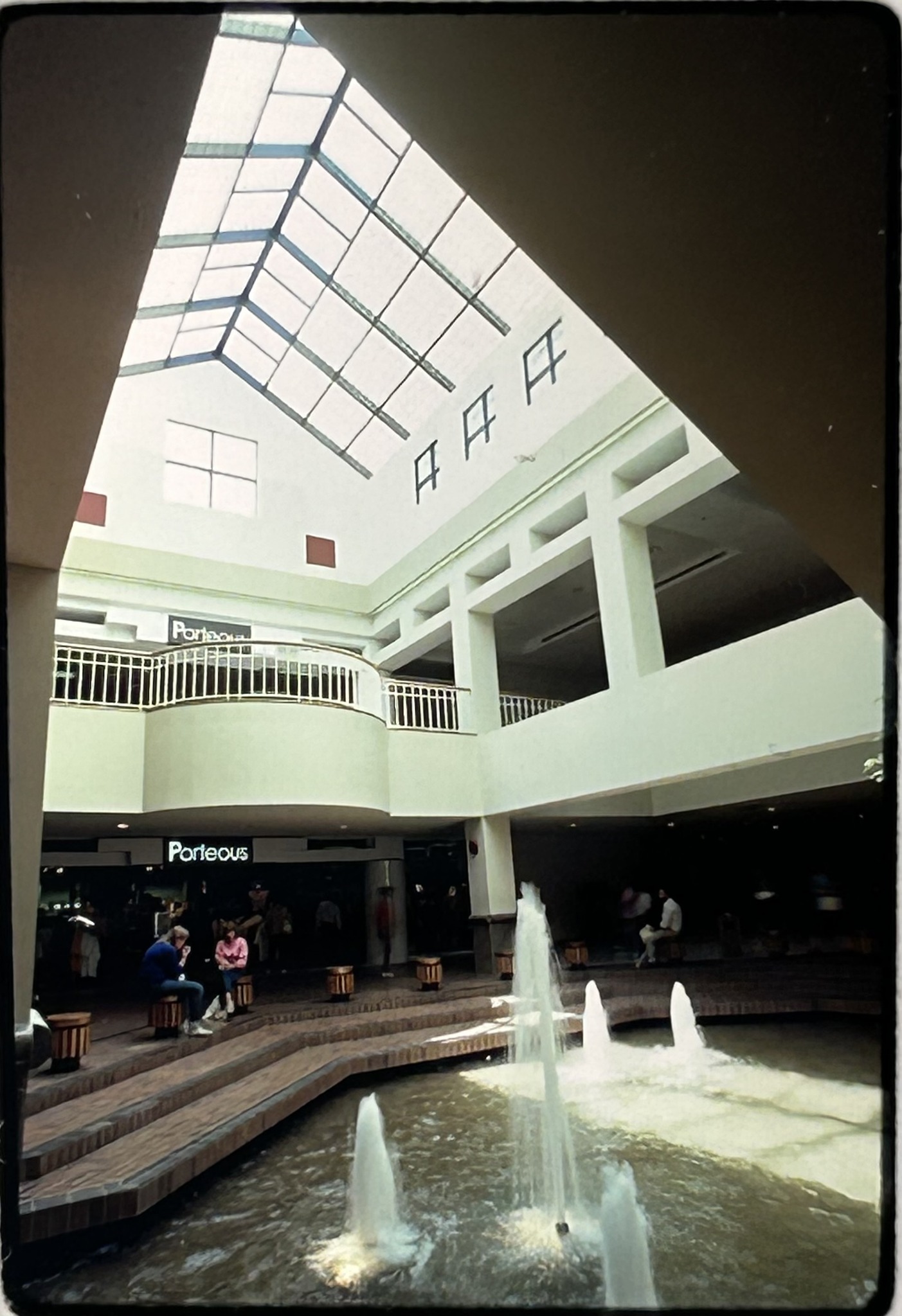
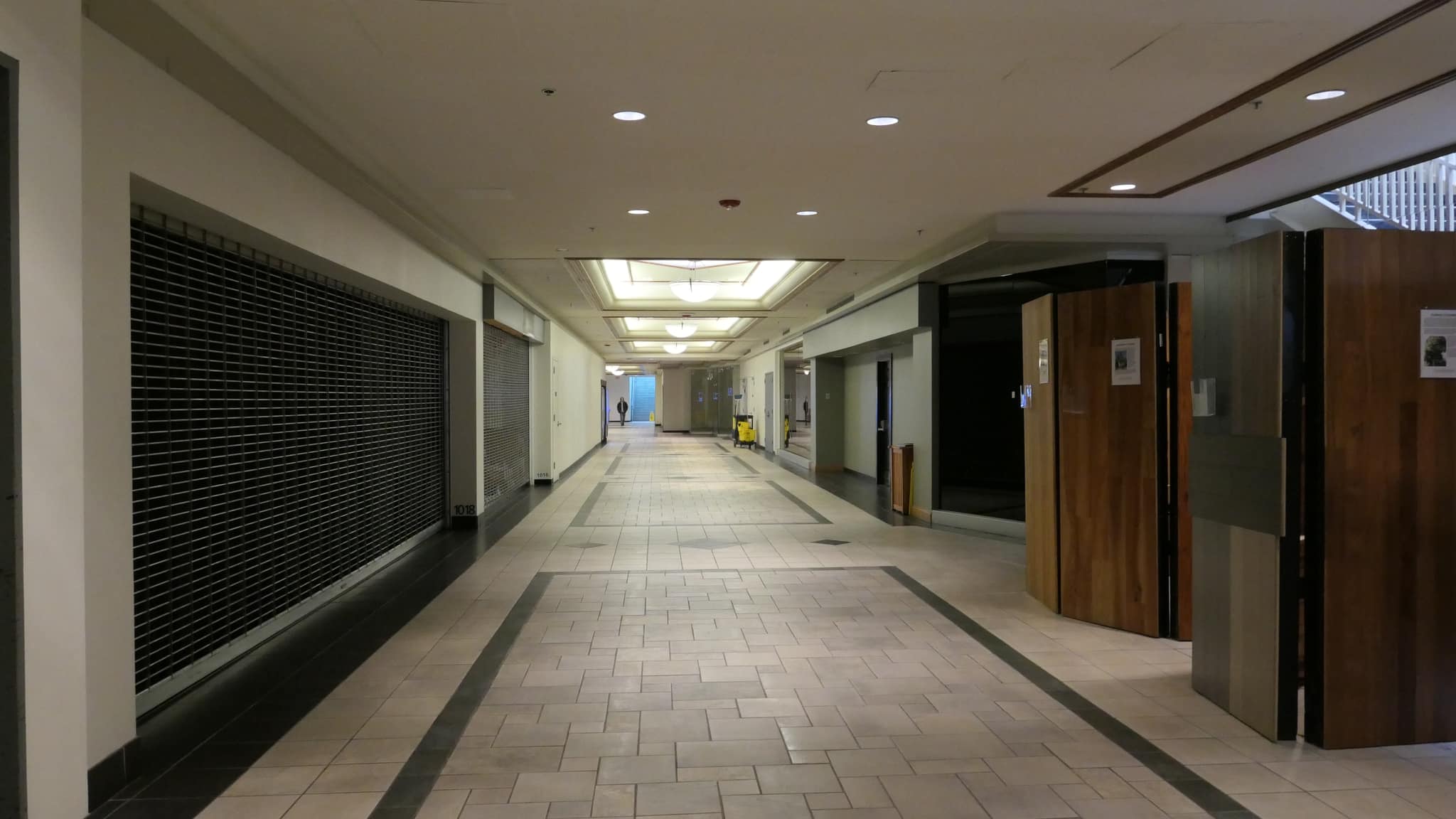
The mall located in downtown Burlington. It later became Burlington Town Center before being fully demolished in 2022
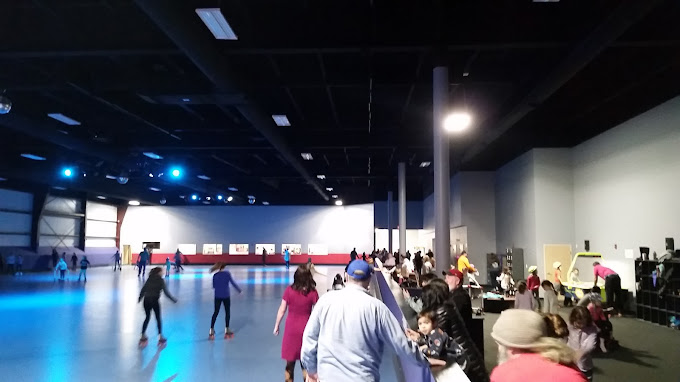
Skateland
Williston/Essex
1977-2001; 2014-2017
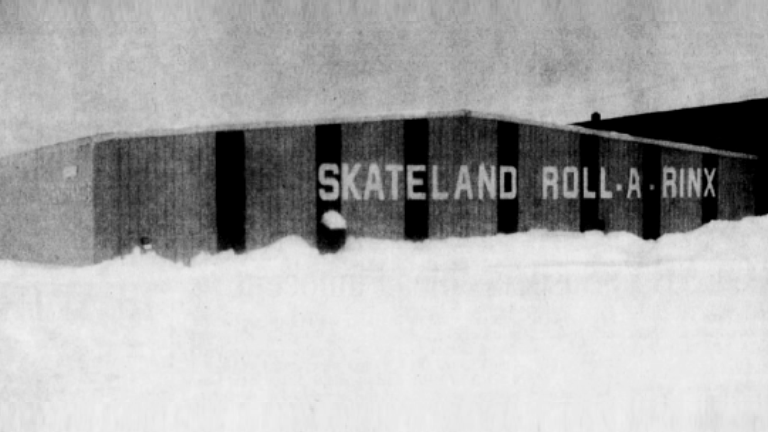
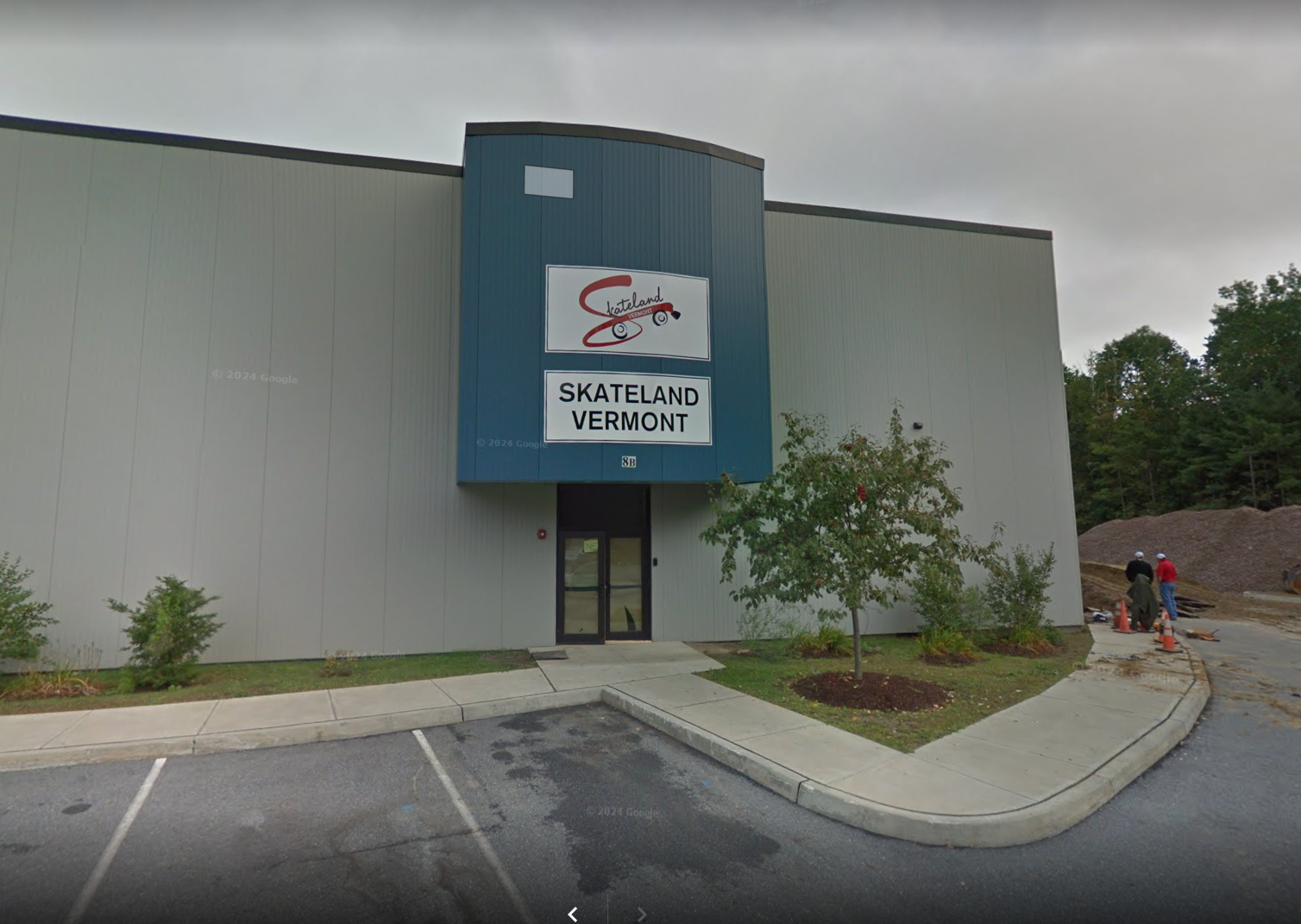
Skateland Vermont was a roller rink that originated in 1977 in Williston and stayed in business there until 2001. The business was revived by new owners in a space near Lowe’s Home Improvement off Susie Wilson Road in December 2014.
SET 2 – Movies
Waterfront Video
Burlington
1996-2013
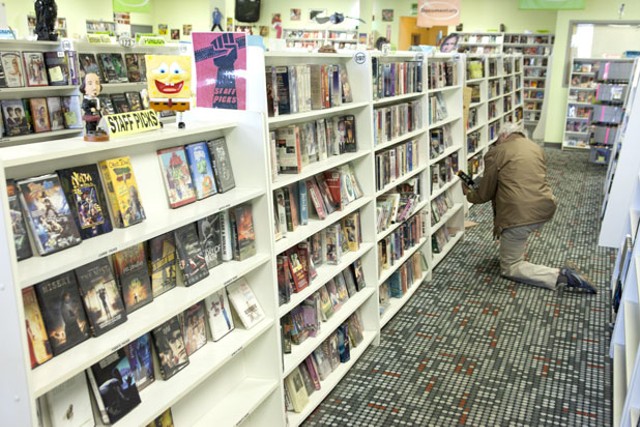
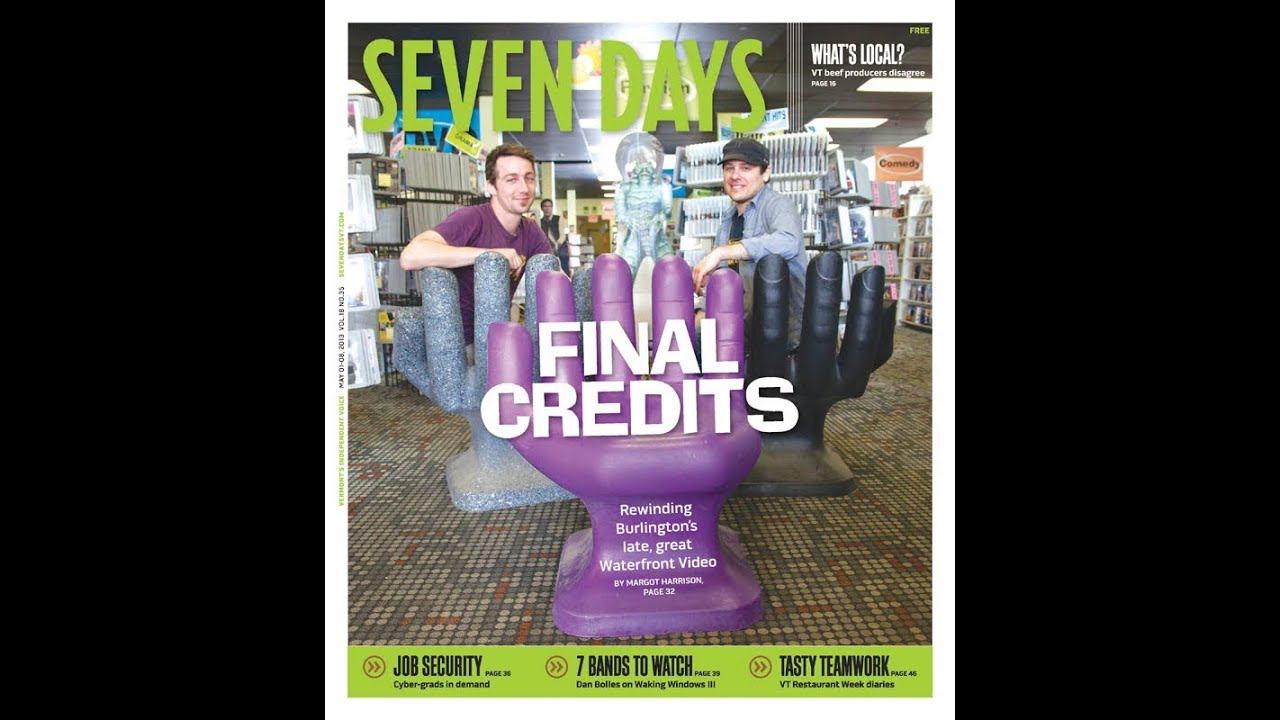
Video rental originally located on Battery Street near the Lake Champlain waterfront. It moved to 70 Shelburne Street in 2005. The store was known for its eclectic collection, offering everything from mainstream films to rare, art-house, and cult classics. Waterfront Video closed in April 2013, primarily due to the death of its founder, Murray Self.
7 Days article: Final Credits for Burlington’s Waterfront Video
Hollywood Video
South Burlington
1985-2010
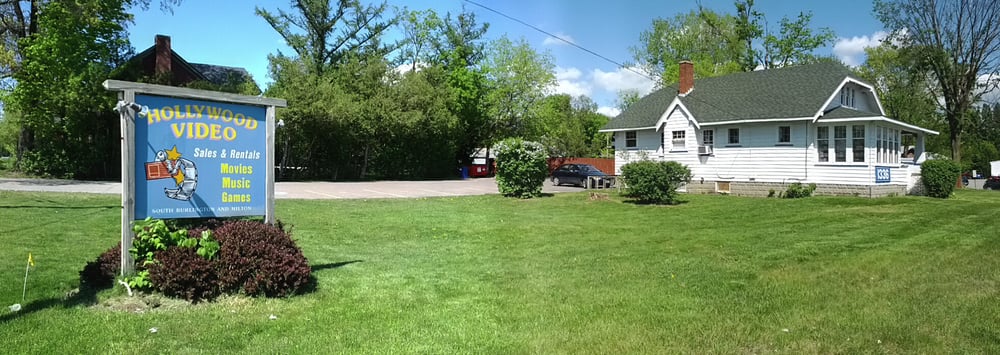
Video rental store that operated during the peak era of video rentals, providing movies and video games to the local community.
The closure was due to the bankruptcy of its parent company, Movie Gallery, which filed for Chapter 7 bankruptcy in May 2010. This ultimately led to the liquidation of all Hollywood Video and Movie Gallery locations across the U.S.
Ethan Allen Cinema
Burlington
1982-2006
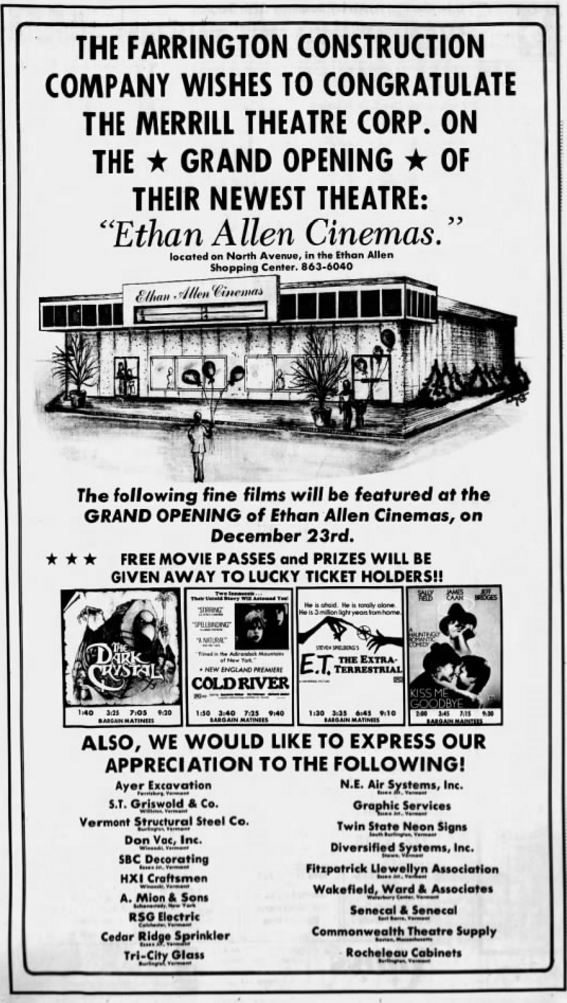
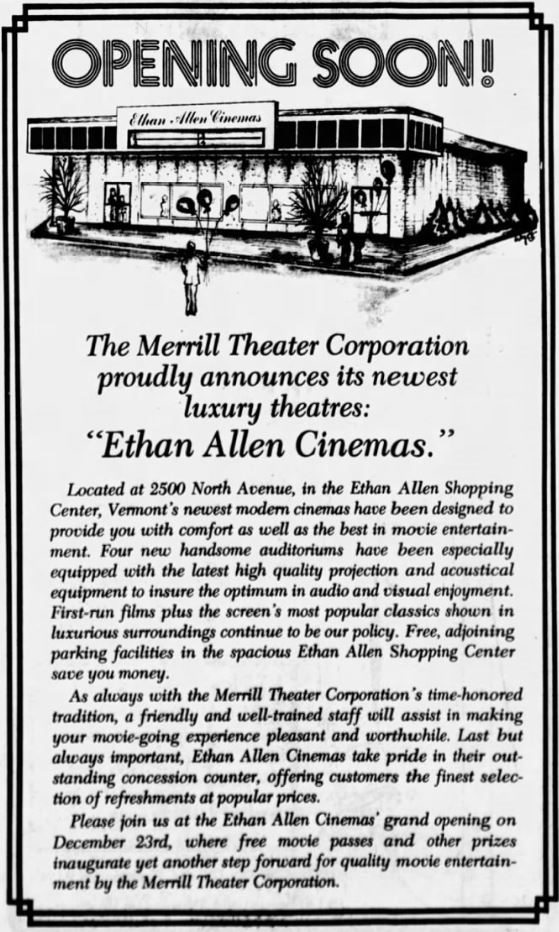
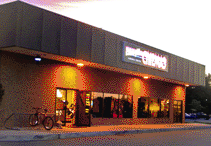
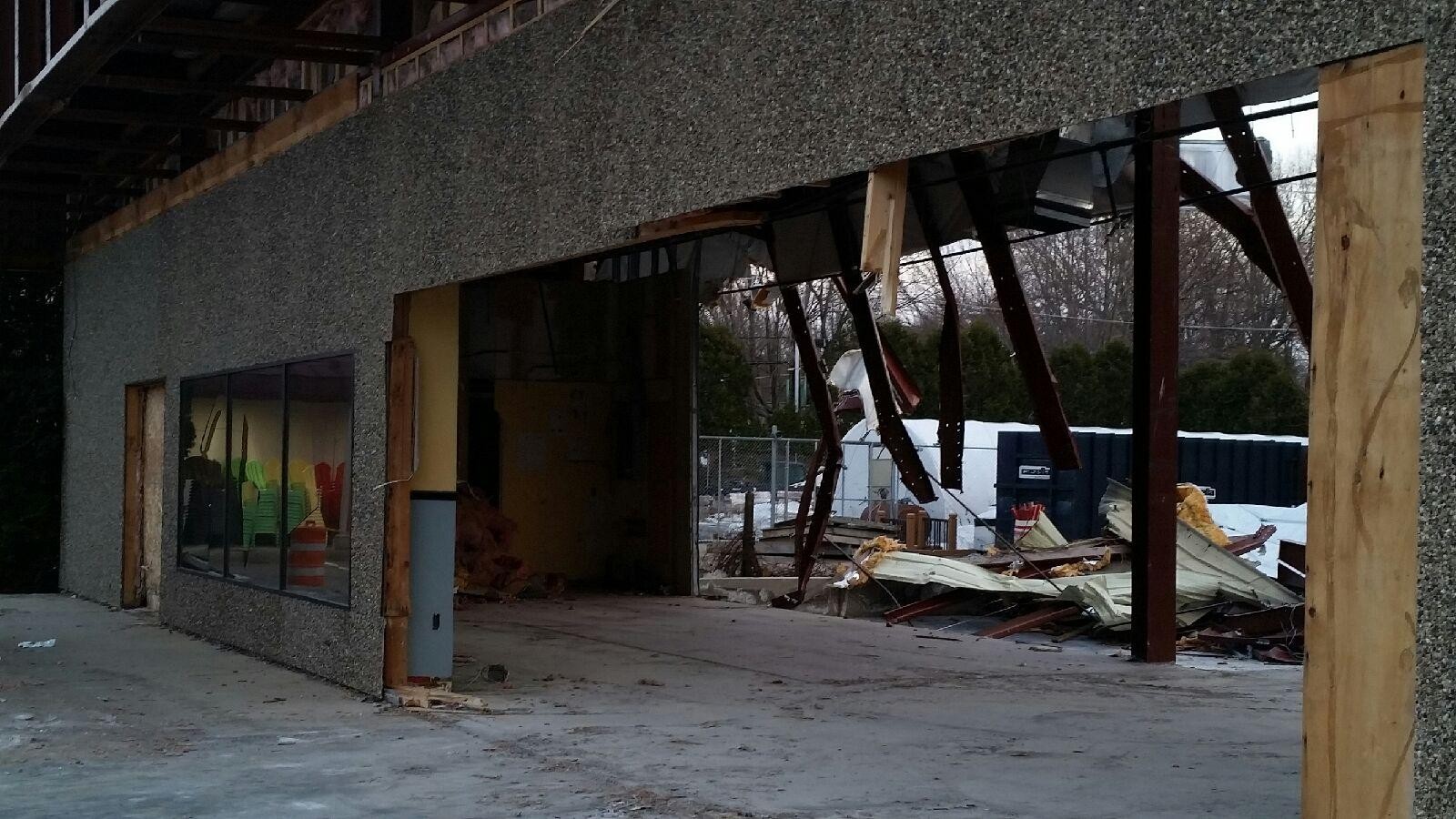
Opened in the New North End of as part of the Merrill Theater Corporation, which also operated other cinemas like the Roxy in downtown Burlington. The cinema was originally a four-screen complex with a total seating capacity of 503. It was known by the locals at “The Cheap Seats.”
Nickelodeon Cinema
Burlington
1981-2003
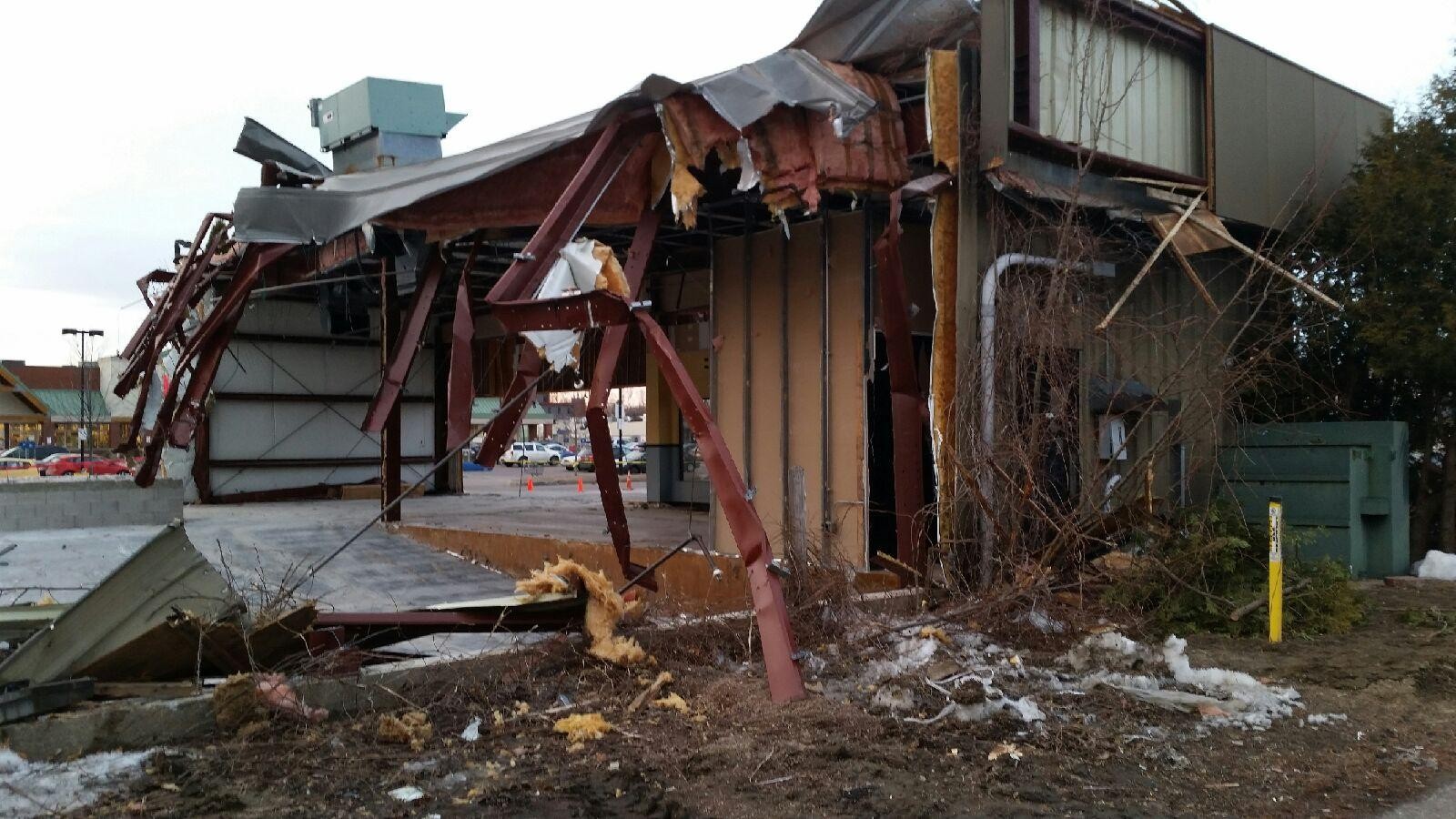
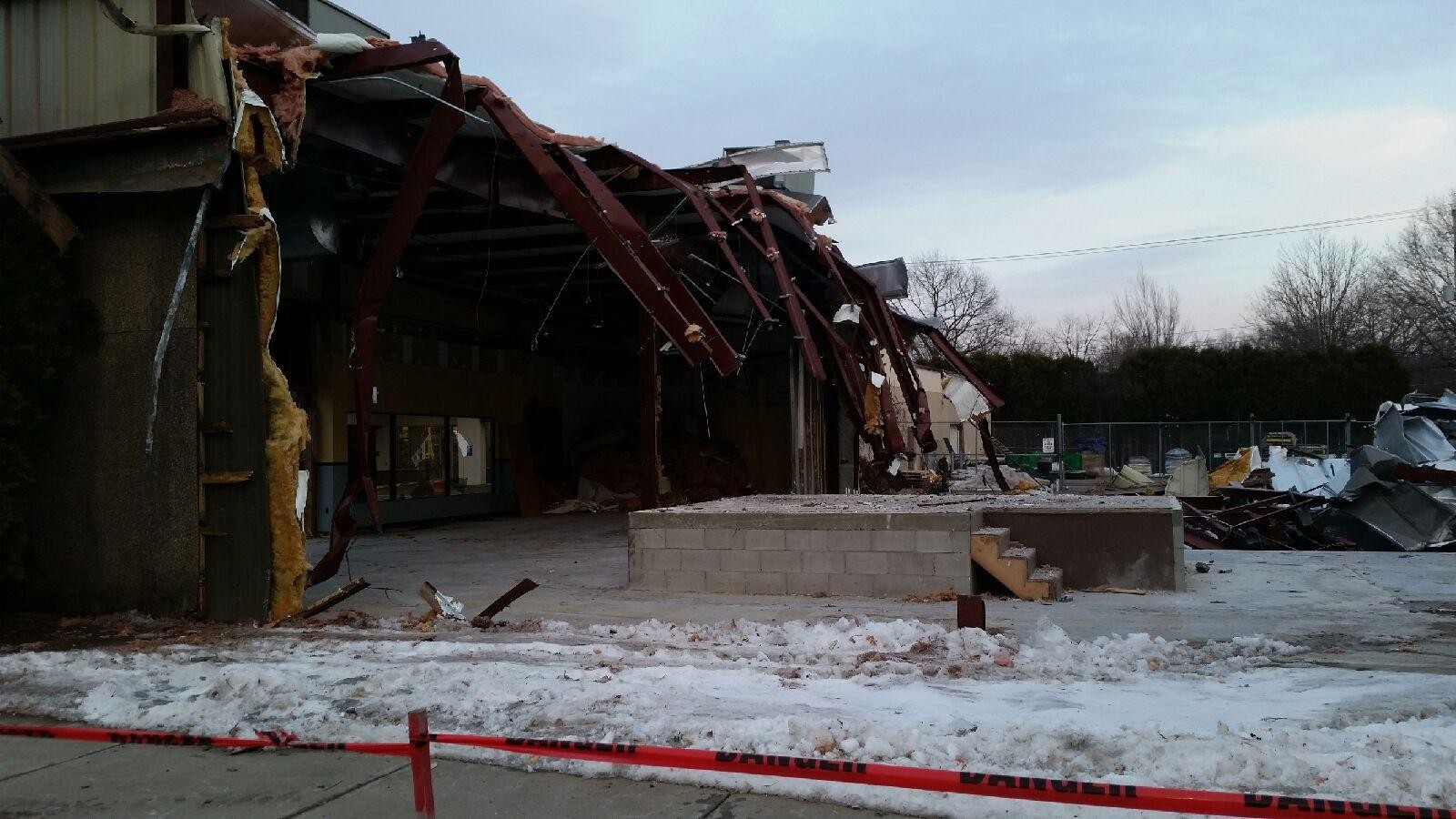
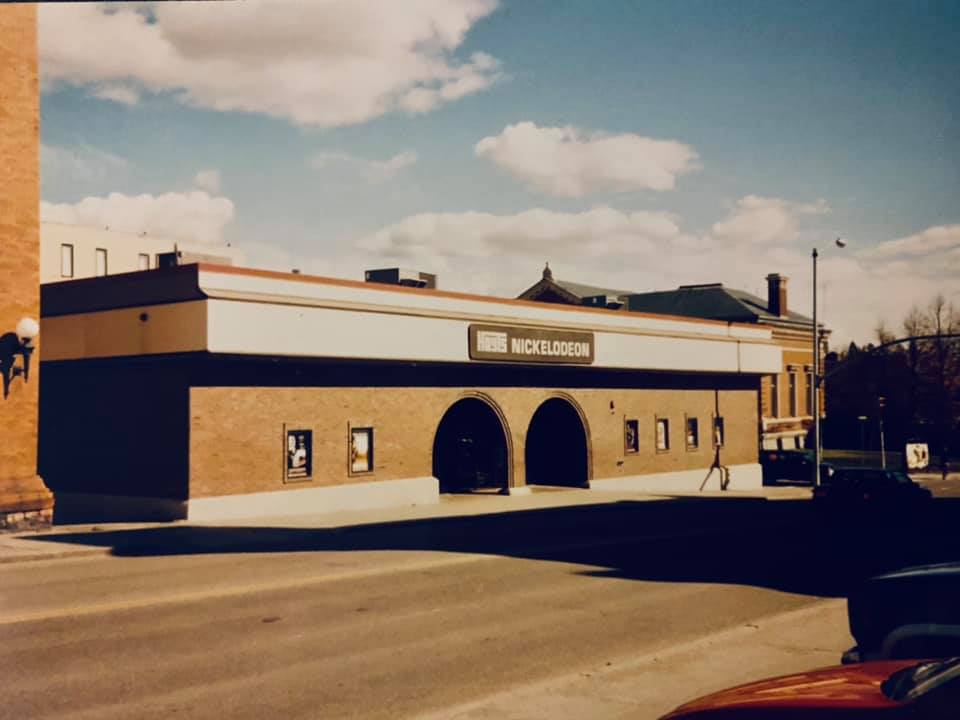
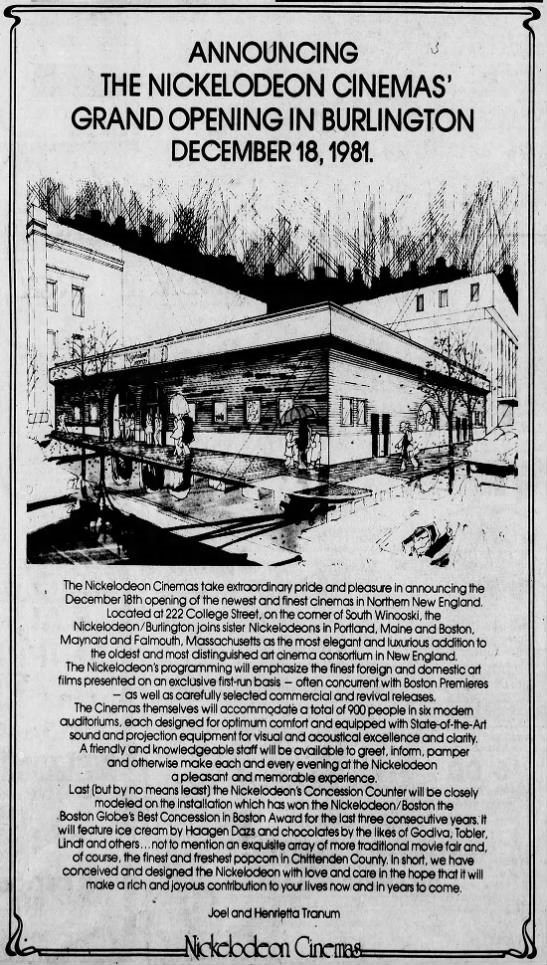
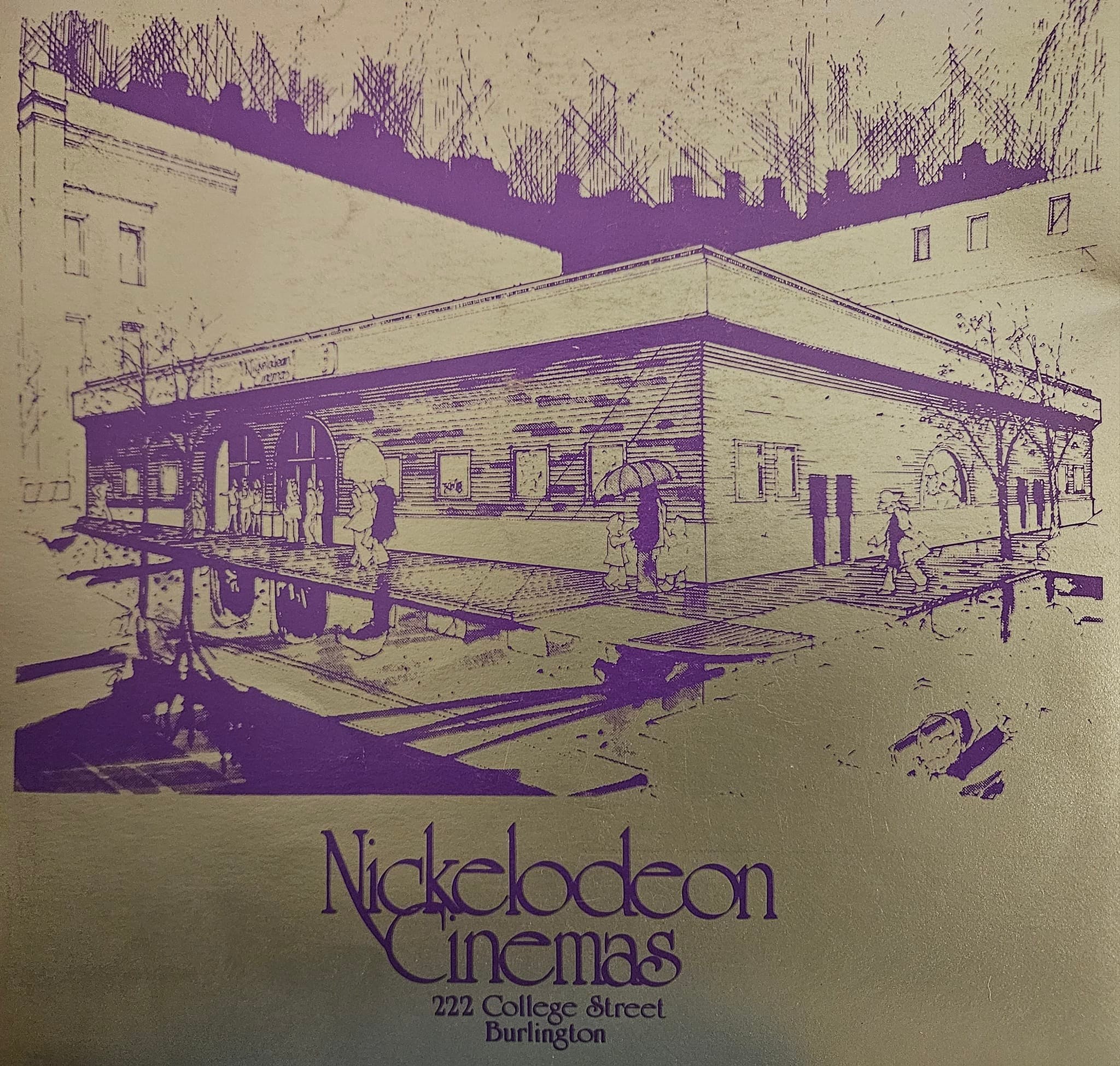
Originally opened as an independent movie theater known as the Nickelodeon 6. It featured six screens and quickly became a key player in Burlington’s film scene, offering first-run films and becoming a popular destination for moviegoers in the city.
In 1985, the theater was acquired by USA Cinemas. It later changed hands several times, operated by companies like Loews Theatres and Sony Theatres before Hoyts Cinemas took over in 1995. Hoyts managed the theater until its closure on May 5, 2003.
Shortly afterward, the space was rebranded and reopened on May 23, 2003, as Merrill’s Roxy Cinema, shifting its focus to independent, foreign, and select first-run films. This transition marked a shift from a more mainstream to an art-house experience, making it a unique venue for cinema enthusiasts in Burlington. The Roxy closed in 2024.
SET 3 – Food
Koffee Kup Bakery
Burlington
1940-2021
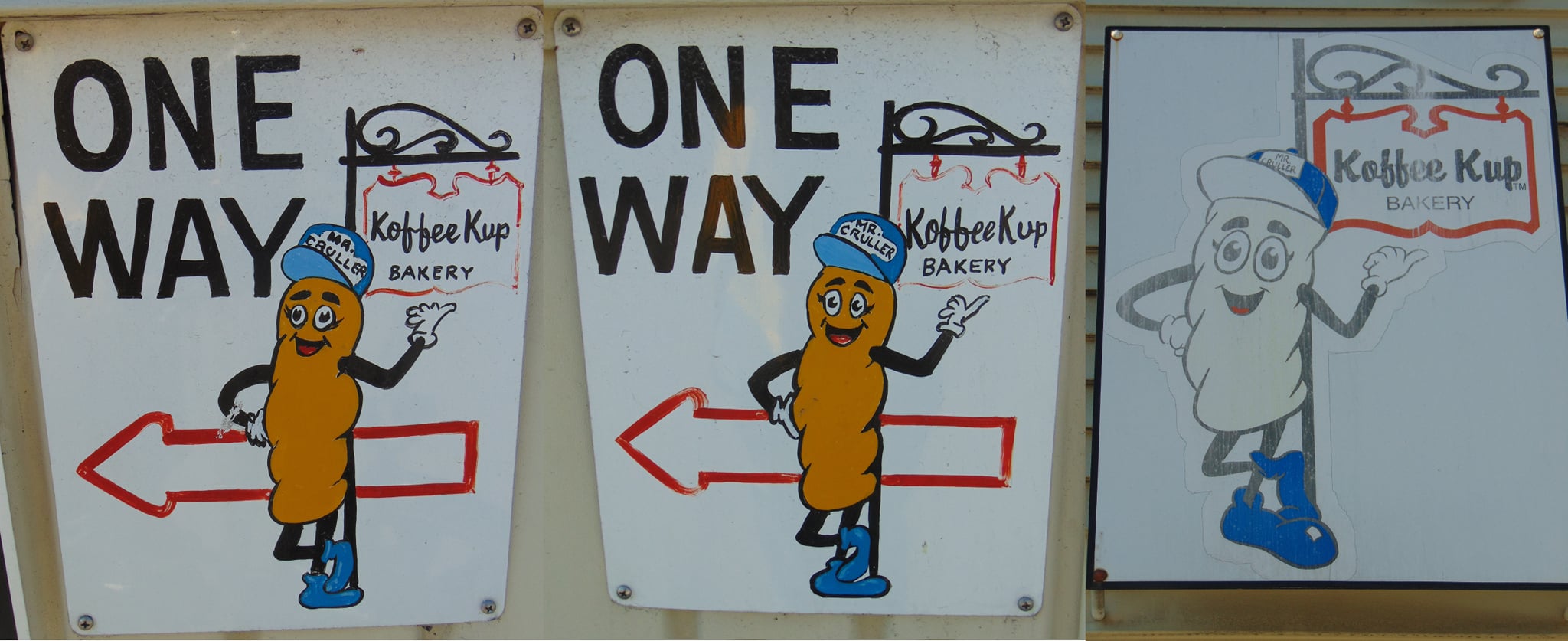
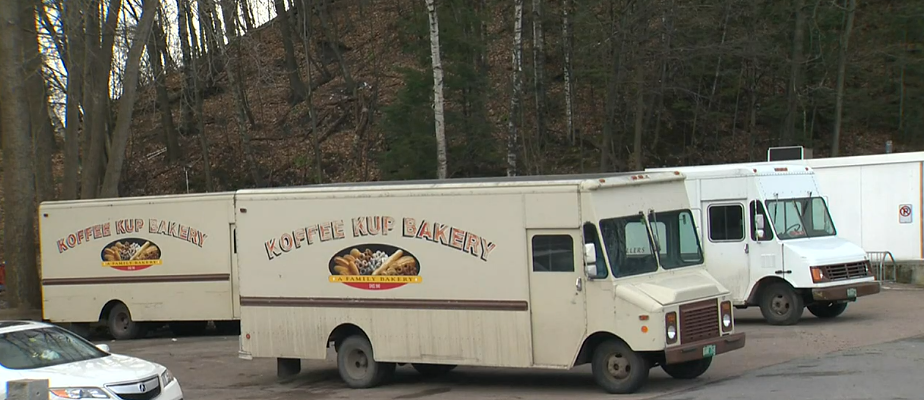
Koffee Kup Bakery, founded in Troy, Vermont, was a beloved regional bakery known for producing doughnuts, bread, buns, and English muffins. It became an iconic Vermont brand, especially famous for its crullers, which were a local favorite. The company expanded over the years, acquiring Vermont Bread Company in 2013, and its products were sold across the Northeast.
In April 2021, however, Koffee Kup Bakery suddenly closed its operations, including facilities in Burlington, Brattleboro, and Connecticut. This closure left about 500 employees out of work and was part of a financial struggle exacerbated by debt issues. The closure came shortly after a private equity firm, American Industrial Acquisition Corporation (AIAC), took control of the company. Despite efforts to find a buyer, including offers from businesses like SatisPie, Koffee Kup was not able to recover.
In the aftermath, Flowers Foods, a large U.S. bakery company, acquired Koffee Kup’s assets, including its brand and production capacity, although there were no immediate plans to reopen the bakeries.
Sirloin Saloon
Shelburne
1980’s-2015
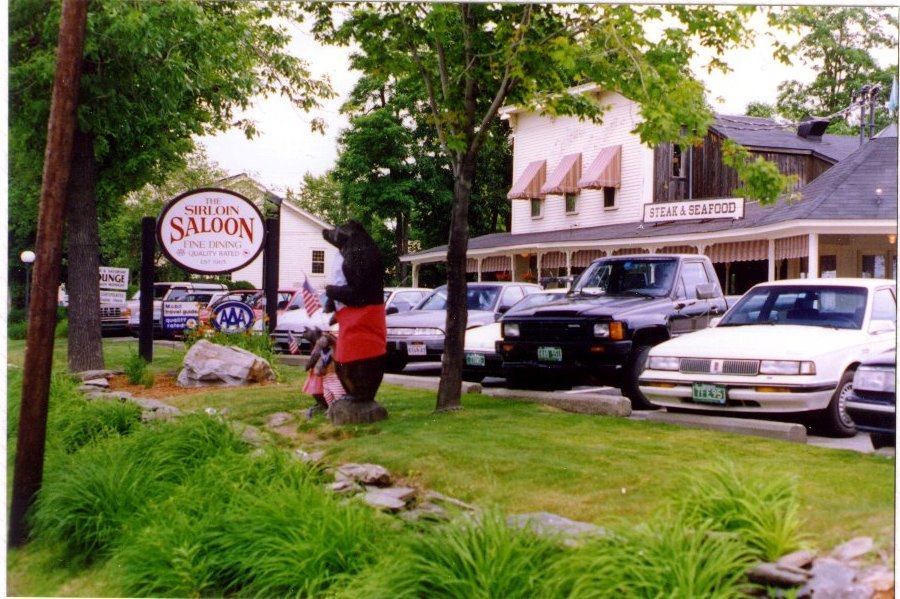
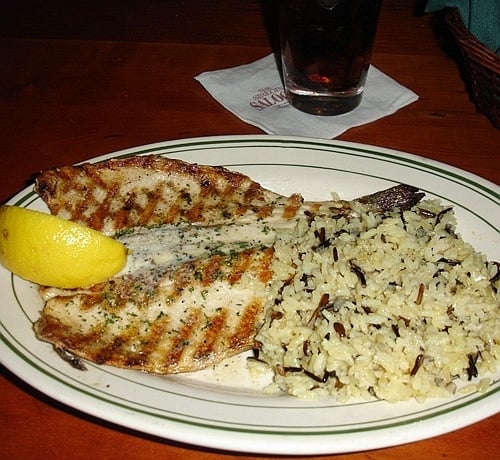
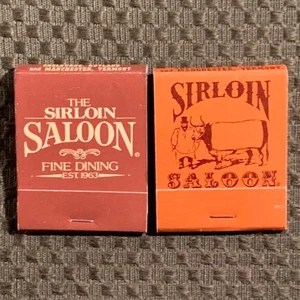
Located in Shelburne, Vermont, The Sirloin Saloon was a well-known steakhouse offering hearty American cuisine and a casual dining experience. The restaurant had a loyal following, especially for its steaks, seafood, and salads. It operated in the area for many years before being rebranded as Shelburne Steakhouse & Saloon, which has also since closed.
Big Daddy’s
Burlington
2004-2022
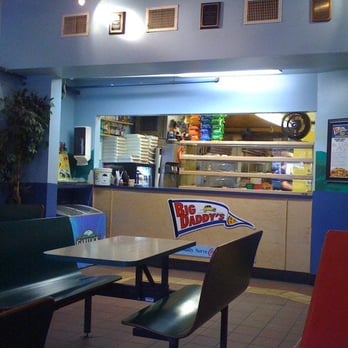
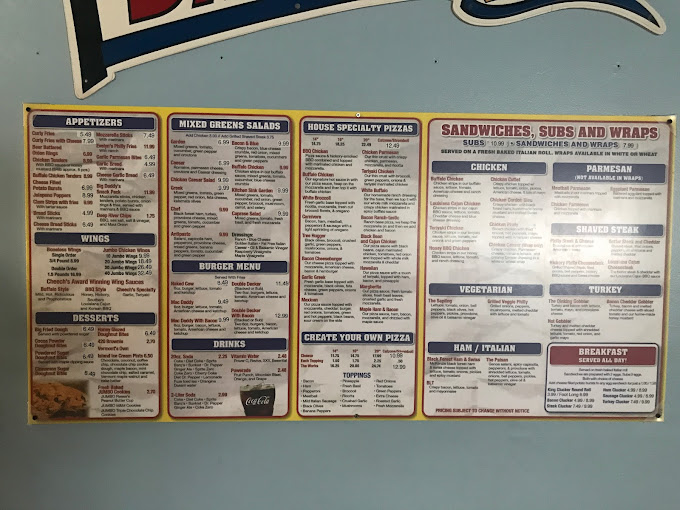
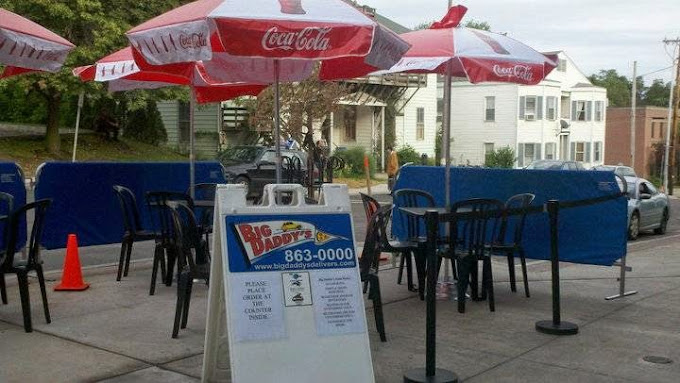
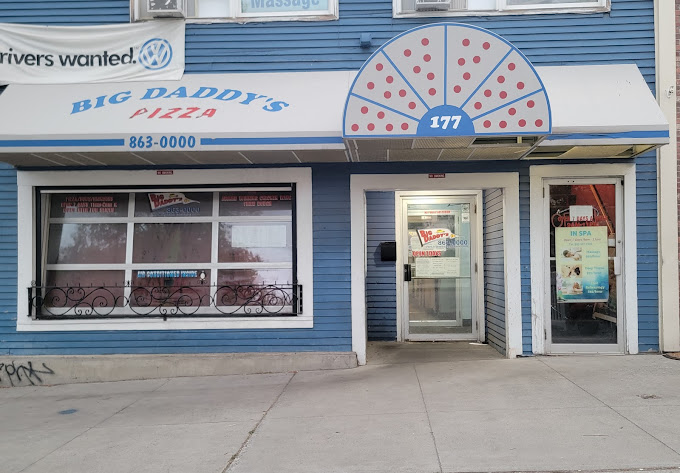
Located at 177 Church Street, the pizzeria was a staple of downtown Burlington – especially among the late night barhoppers. It also frequently delivered to the University of Vermont.
Penny Cluse Café
Burlington
1998-2022
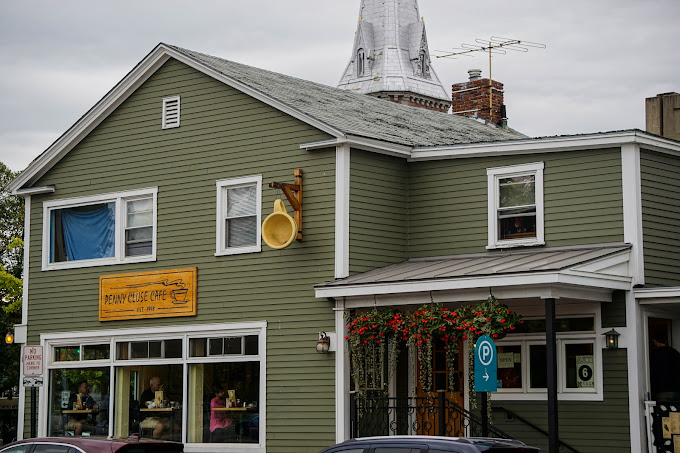
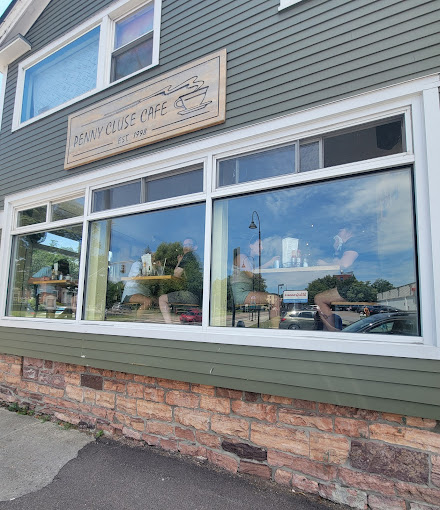
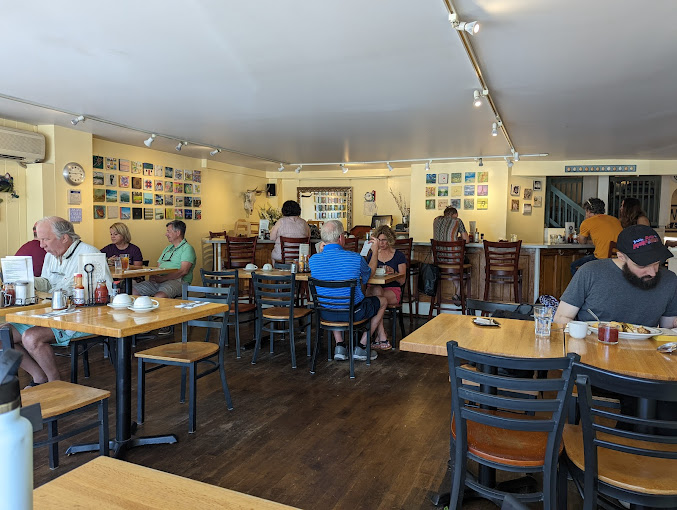
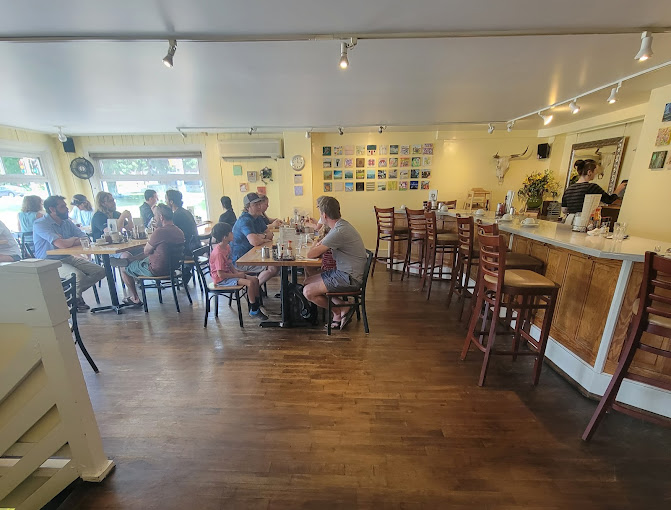
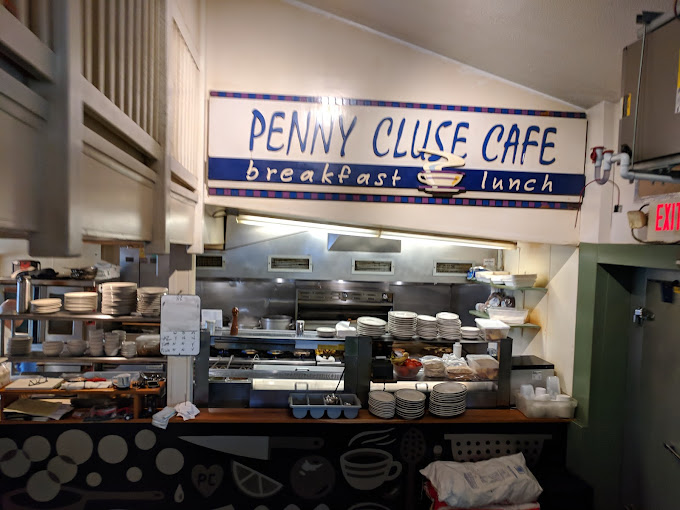
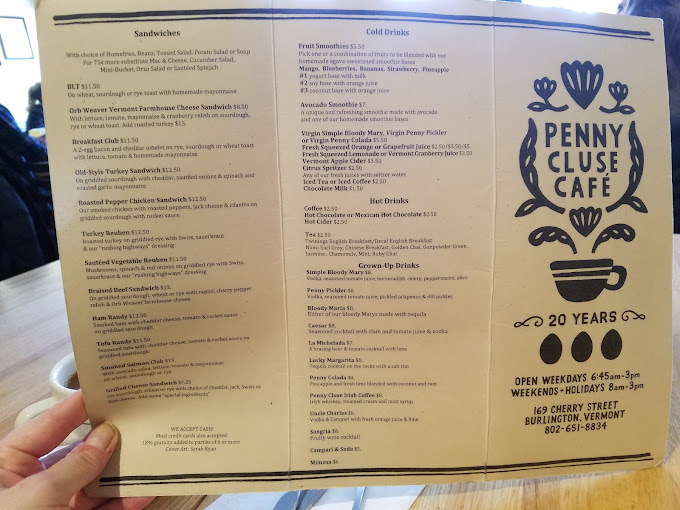
The café first opened in 1998 by Charles Reeves and Holly Cluse. Located on the corner of Cherry Street and South Winooski Avenue, it quickly became a popular spot for locals and visitors alike, offering breakfast and lunch in a relaxed, community-centered setting. The café earned a reputation for its warm atmosphere, serving hearty dishes like their famous huevos verdes, biscuits and gravy, and a variety of innovative comfort foods. Its welcoming vibe made it a regular hangout for a loyal customer base, and it even hosted notable figures, including politicians and celebrities.
Over the years, Penny Cluse Café grew into an iconic establishment in Burlington’s dining scene, serving as a gathering place for families, locals, and tourists. The café was known not only for its food but for its role in the community, seeing countless events, from family celebrations to weddings and even funerals, witnessed by both staff and regulars. However, after 25 years, Charles and Holly decided to close the café at the end of 2022, citing a desire to focus more on family life. Despite the closure, they expressed gratitude for the support and memories created during their tenure as owners.
SET 4 – Annual Events
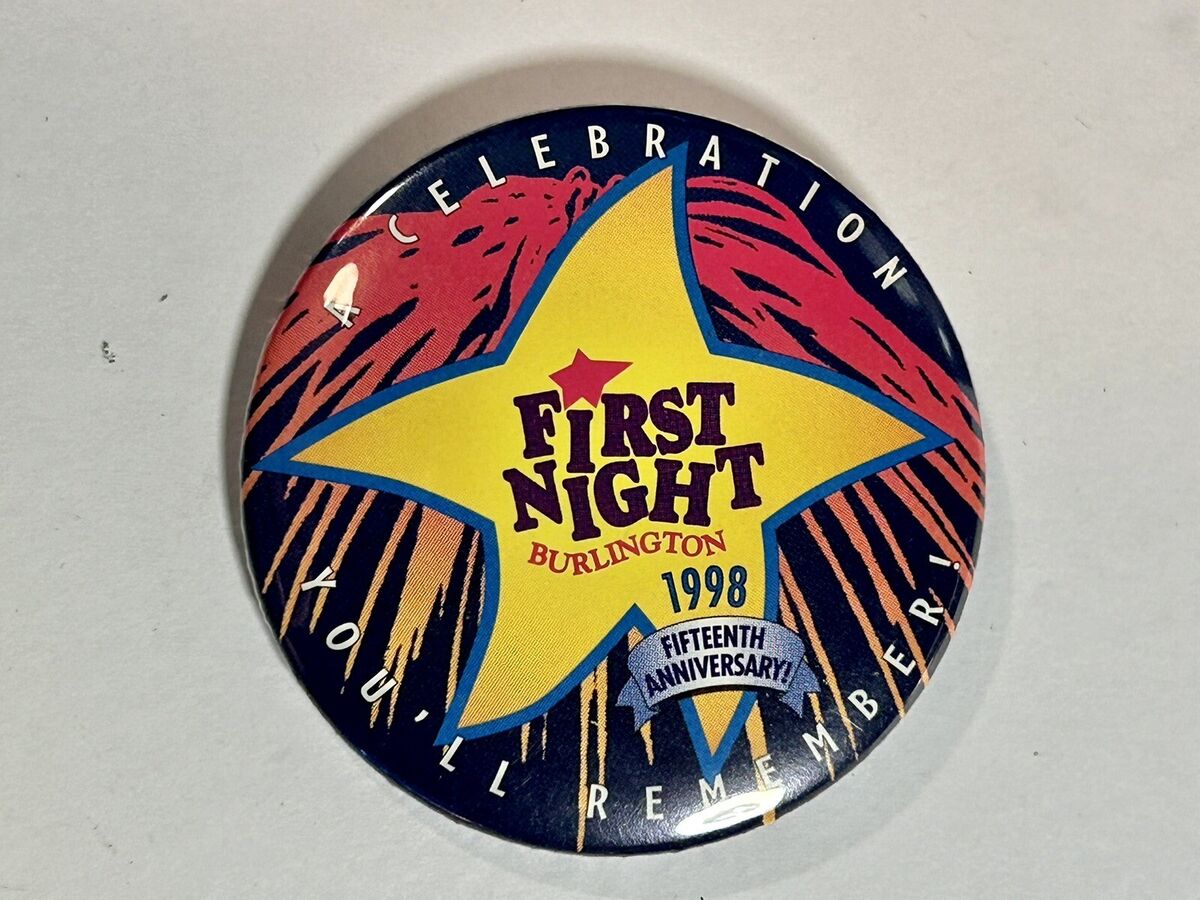
First Night
Burlington
1993-2018
First Night Burlington, Vermont, was part of a nationwide movement for alcohol-free, cultural New Year’s Eve celebrations, which began in Boston in 1975. A group in Burlington, led by MaryEllen Auger, brought the concept to the city in 1983. The inaugural event attracted around 8,000 people and featured a variety of performances across different venues. Over the next 35 years, the celebration continued to grow, becoming a cornerstone of Burlington’s New Year festivities. Unfortunately, due to declining attendance and a key financial sponsor pulling out, First Night Burlington was discontinued in 2018.
Article: First Night Burlington ends 35-year run, done in by cold and lack of money
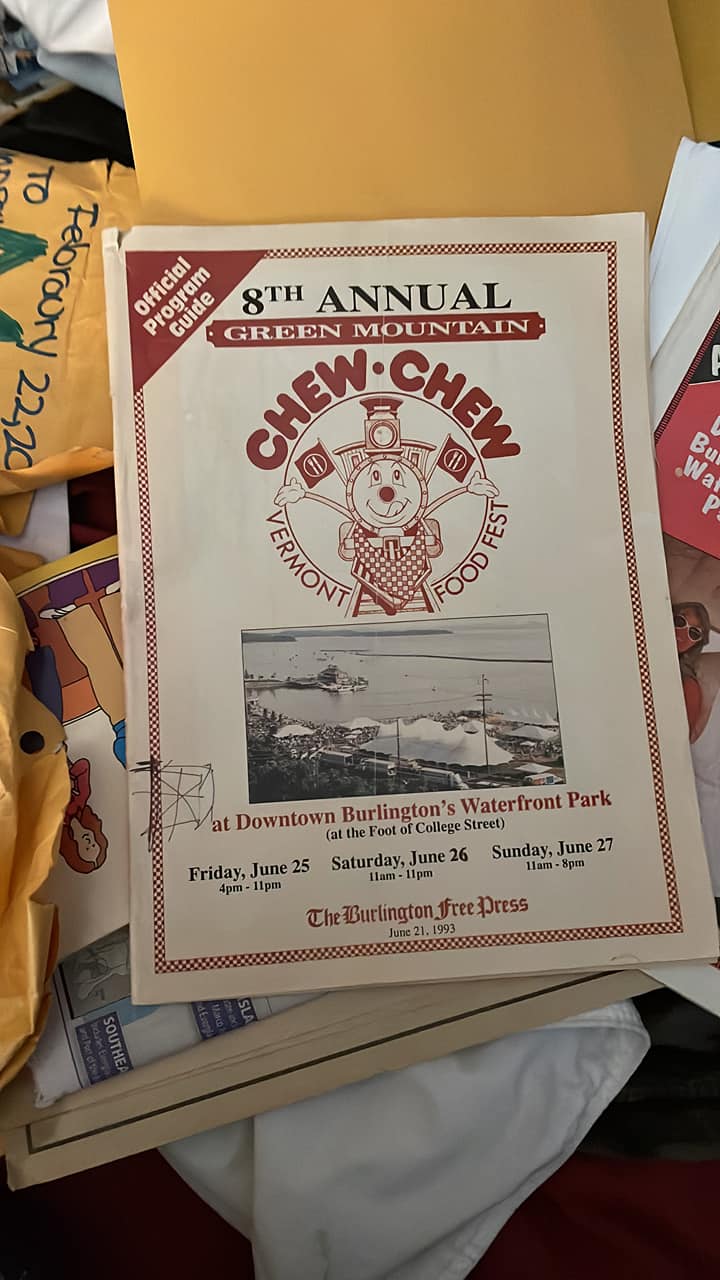
Chew-Chew
Burlington
1984-2009
A long-running annual food and music festival that became a beloved summer tradition. It was first held in 1984 as a local gathering focused on food, with various restaurants showcasing their best dishes. The festival grew over the years, eventually moving from St. Paul Street to Waterfront Park due to its increasing popularity. Over the years, the festival featured more than 400 restaurants and vendors, significantly contributing to the local economy. Unfortunately, rising production costs and changes in event dynamics led to the decision to end the festival after its 2009 edition.
7 Days article: R.I.P. Chew Chew
Side Dishes: Waterfront food festival ends after 24 years
Vermont Mozart Festival
Various locations
1974-2010
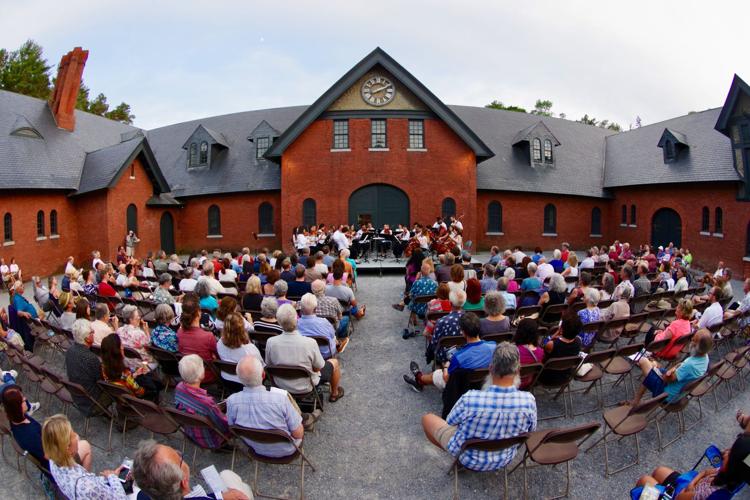
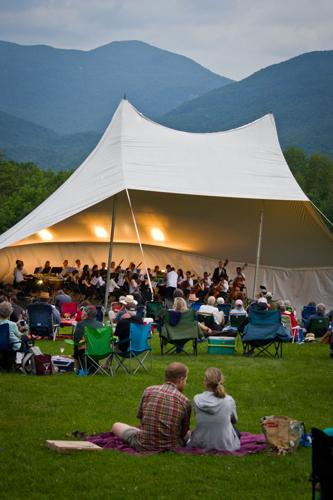
The Vermont Mozart Festival, founded in 1974 by Melvin Kaplan, William Metcalfe, and Jim Chapman, was an annual event dedicated to celebrating the works of Wolfgang Amadeus Mozart. The festival quickly gained national recognition and was known for its scenic venues across Vermont, including Shelburne Farms and the Trapp Family Lodge, where it held outdoor concerts. It became a significant cultural event in the state, with performances that included both established musicians and up-and-coming talent.
The festival ran for over three decades, with its peak in the 1980s when it was featured on CBS Sunday Morning and in publications like the New York Times. It also gained support from NPR, which broadcasted its winter concerts in 1983. However, by the mid-2000s, the festival faced financial struggles. Despite efforts to reduce its debt, the organization was unable to recover, leading to the closure of the festival after its 2010 winter concert.
The Haunted Forest
Huntington; Williston
1985-2002
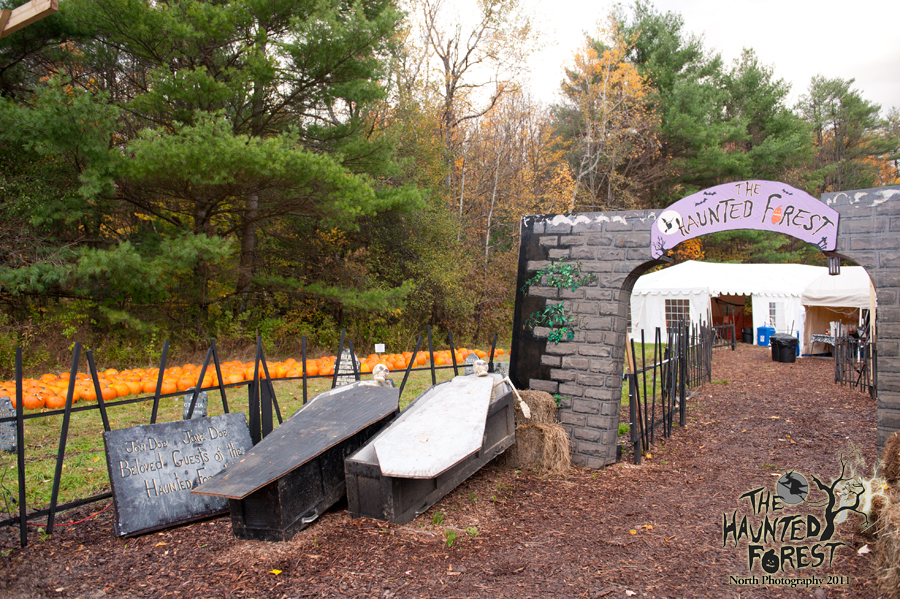
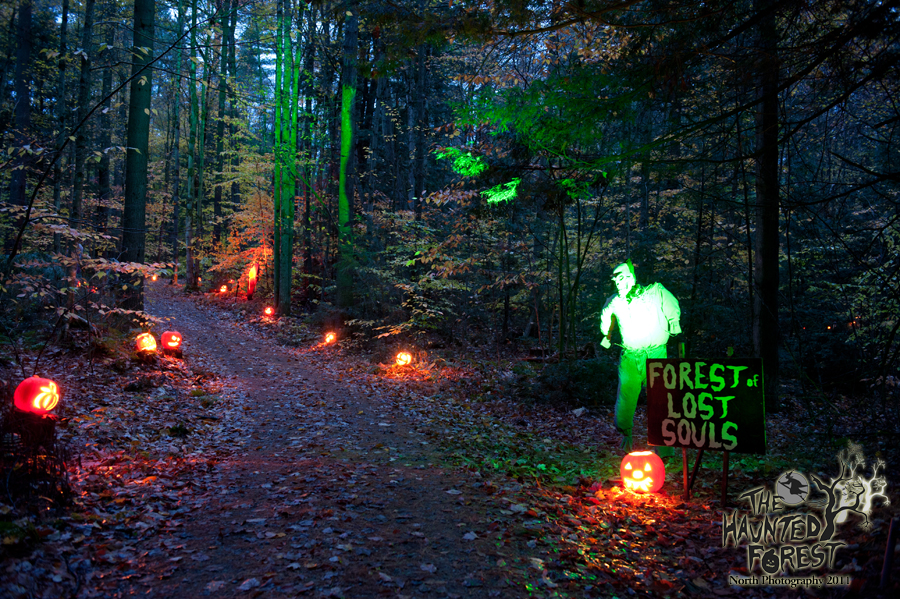
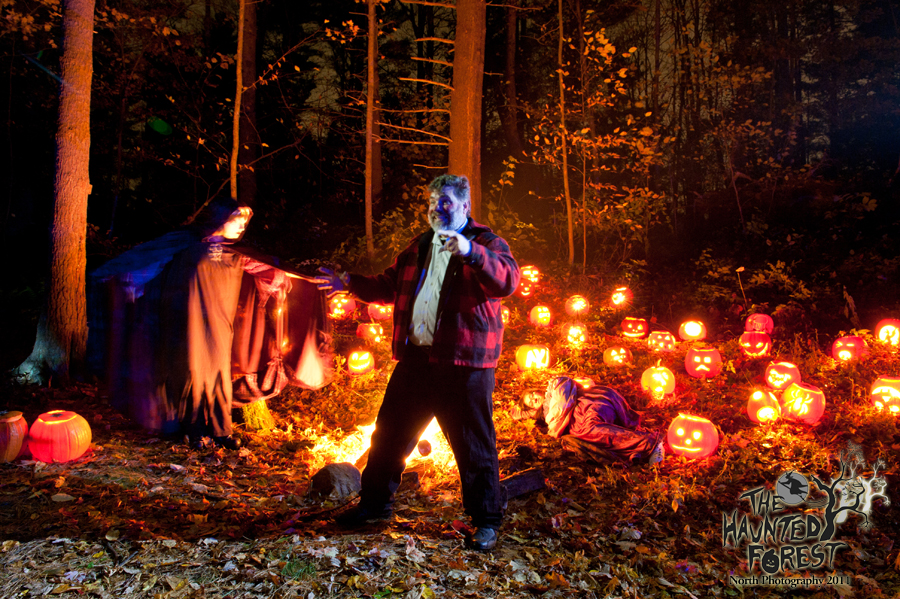
A beloved annual Halloween tradition that evolved into a major event attracting thousands each fall. Originally hosted by the Audubon Society in Huntington for 21 years, it was later moved to the Catamount Family Center in Williston in 2002. The event was organized by volunteers, with a goal of providing a fun, drug- and alcohol-free experience. Visitors walk through a dark forest illuminated by thousands of jack-o-lanterns, encountering a variety of Halloween-themed performances, special effects, and interactive experiences along the way.
SET 5 – Clubs
Nectar’s
Burlington, Vermont
1975-2025
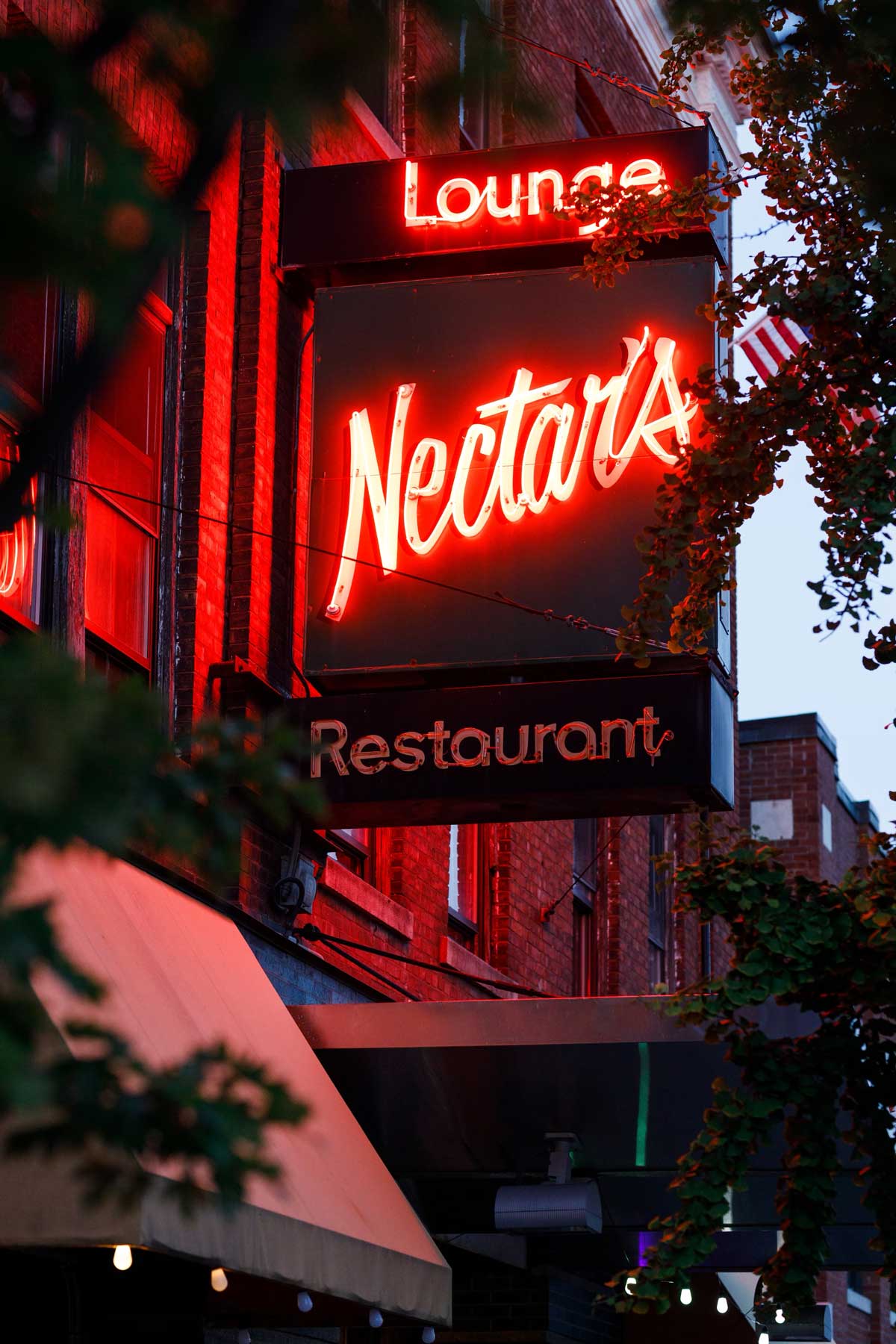
Nectar’s opened in 1975 when Greek-American entrepreneur Nectar Rorris transformed a former bank on Main Street in Burlington, Vermont, into a cozy bar, restaurant, and music venue. The space had previously housed the Hi-Hat Lounge, and a chandelier from that earlier era still hangs in the main room as a nod to its past. Over time, Nectar’s became a staple of the local music scene, known for its comfort food—especially gravy fries—and its welcoming atmosphere. It gained national attention in the 1980s as the place where the band Phish played some of their earliest shows. In fact, the group named their 1992 album A Picture of Nectar in tribute to the venue and its founder.
As the years passed, Nectar’s remained a vital part of Burlington’s cultural life. However, in 2025, it faced serious challenges due to an extended construction project on Main Street that dramatically reduced foot traffic. The owners initially announced a temporary closure for the summer, holding a final show on June 7 with hopes of eventually reopening. But by late July, they confirmed that Nectar’s would close permanently after nearly 50 years. For many in Burlington and beyond, the venue was more than just a bar—it was a community hub, a launching pad for artists, and a symbol of the city’s vibrant music scene.
Chicken Bone Café
Burlington, Vermont
1972-1993
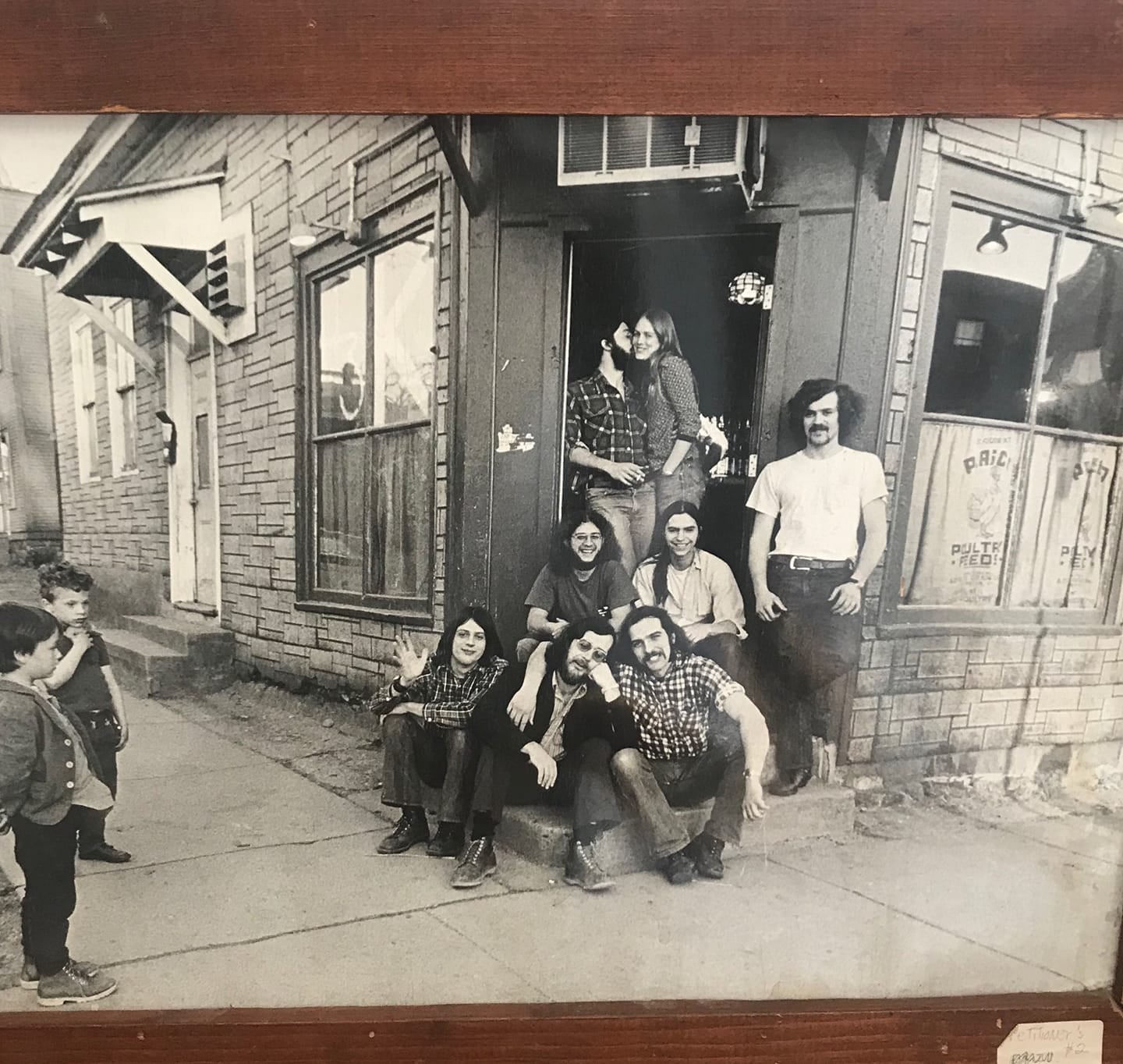
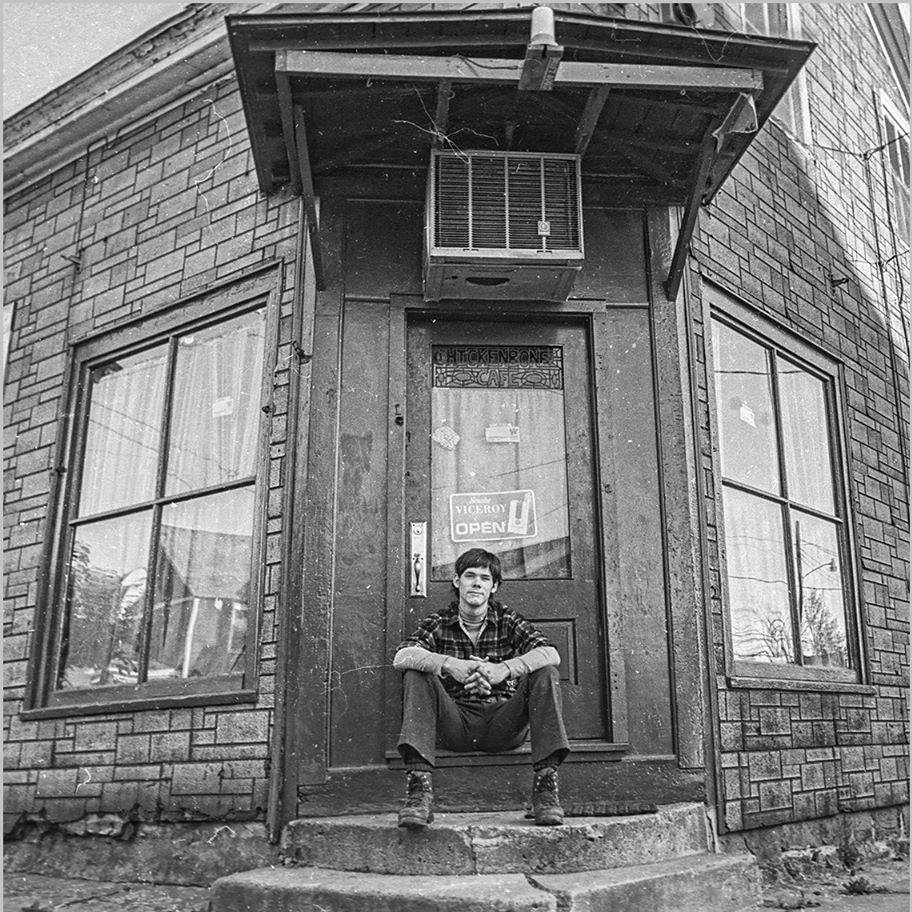
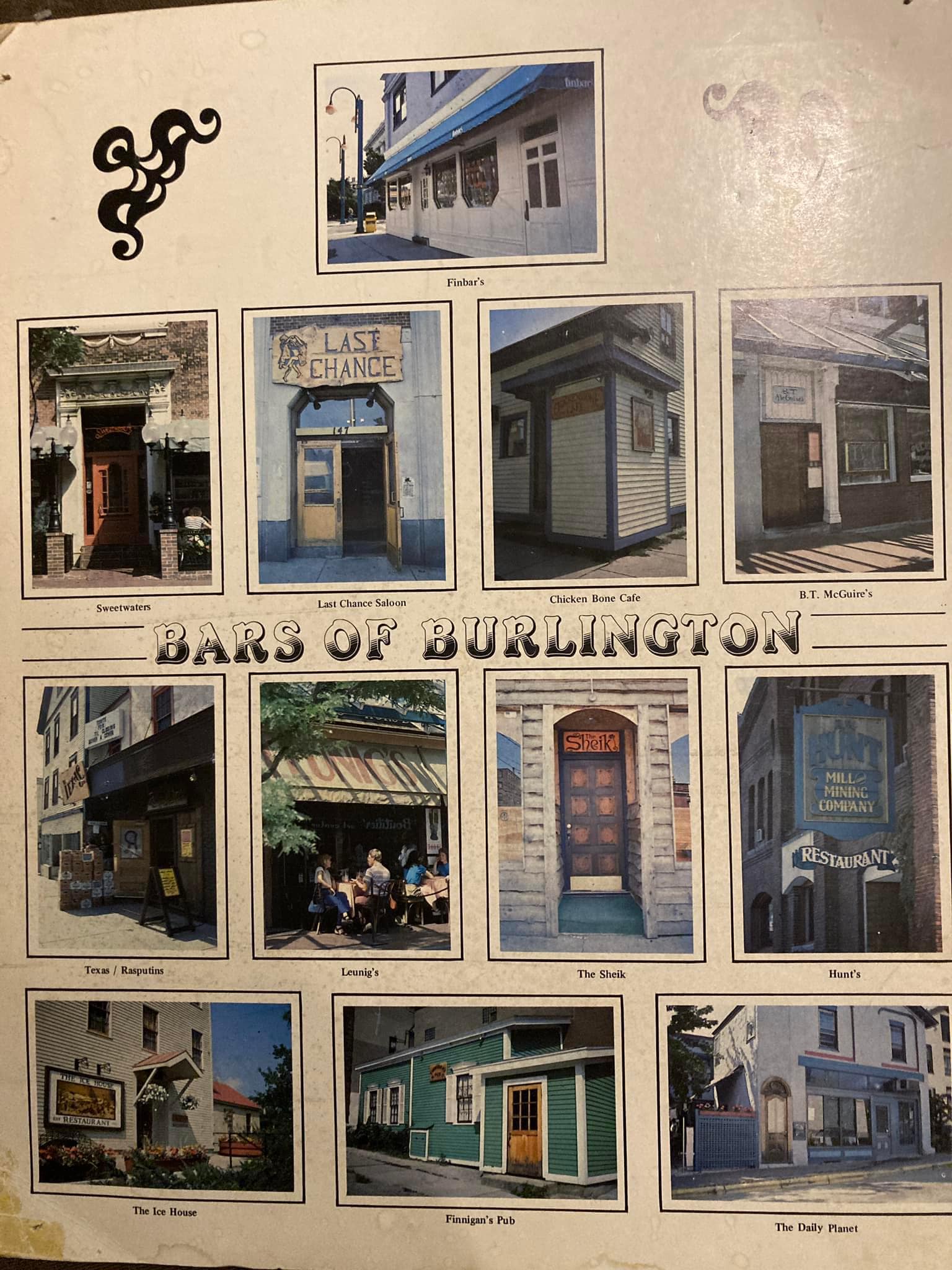
The Chickenbone Café opened its doors around 1972 at the corner of King and South Champlain Streets in downtown Burlington. Its quirky name was inspired by the song “Chickenbone Blues” by NRBQ, a suggestion credited to John Perkins University of Vermont. Over the years it evolved into a beloved local hangout where the energy buzzed louder than the rock ’n’ roll blasting through its speakers.
According to one frequent customer, “There was something about the Chickenbone Café in Burlington, Vermont…it gave you that immediate feeling of a sum that exceeded the totality of its parts. You felt lucky to be there.” The bar closed around 1993, but it remains vivid in the memories of those who passed through its doors again and again
Pearl’s
Burlington, Vermont
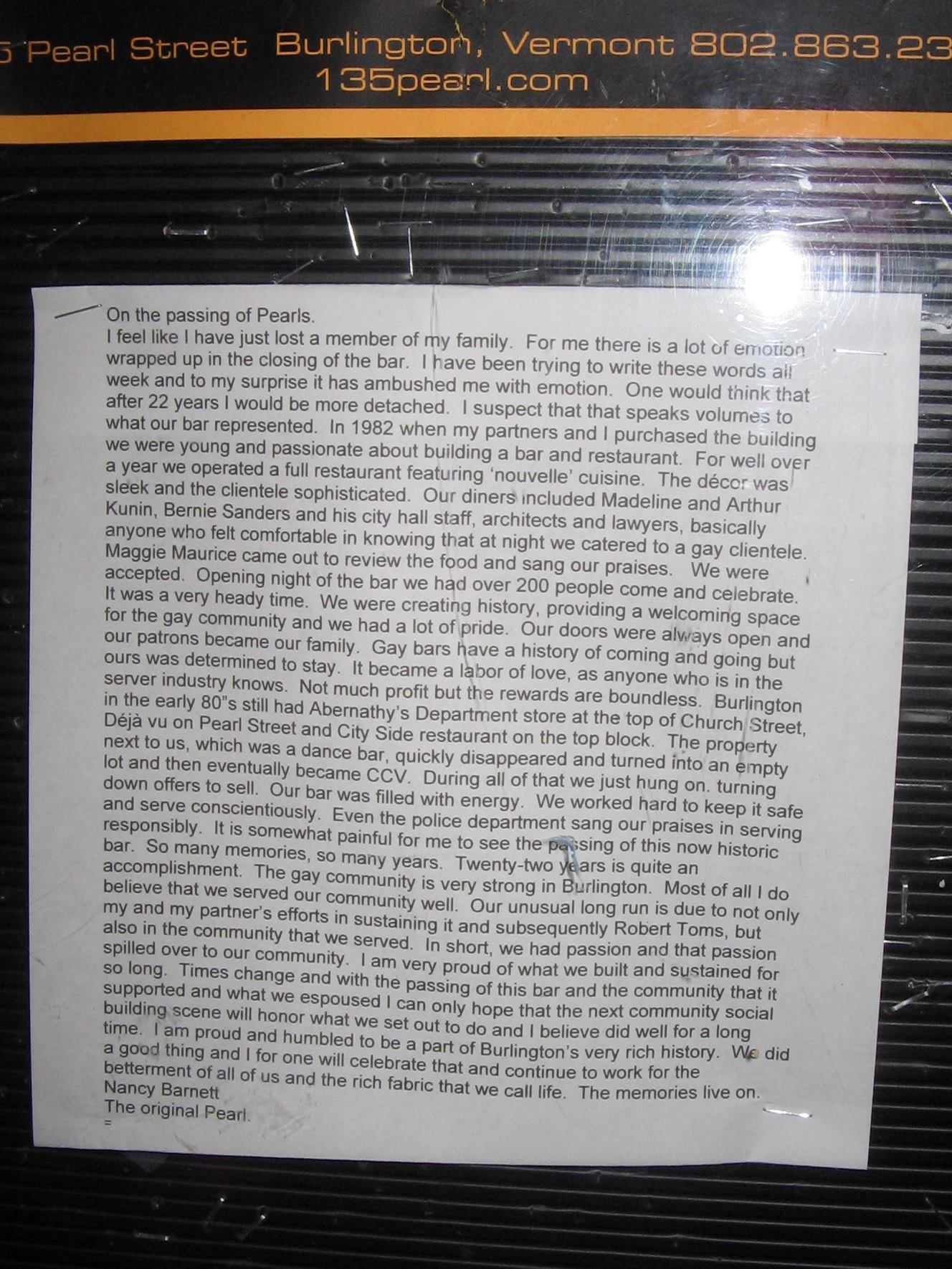
1993-2006
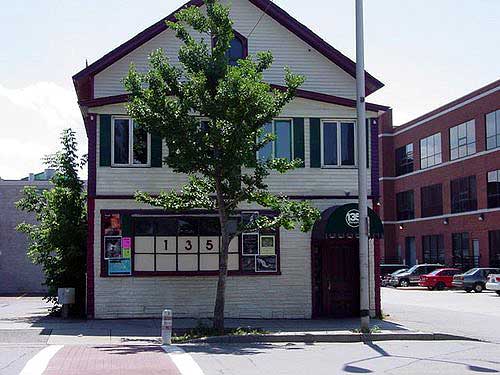
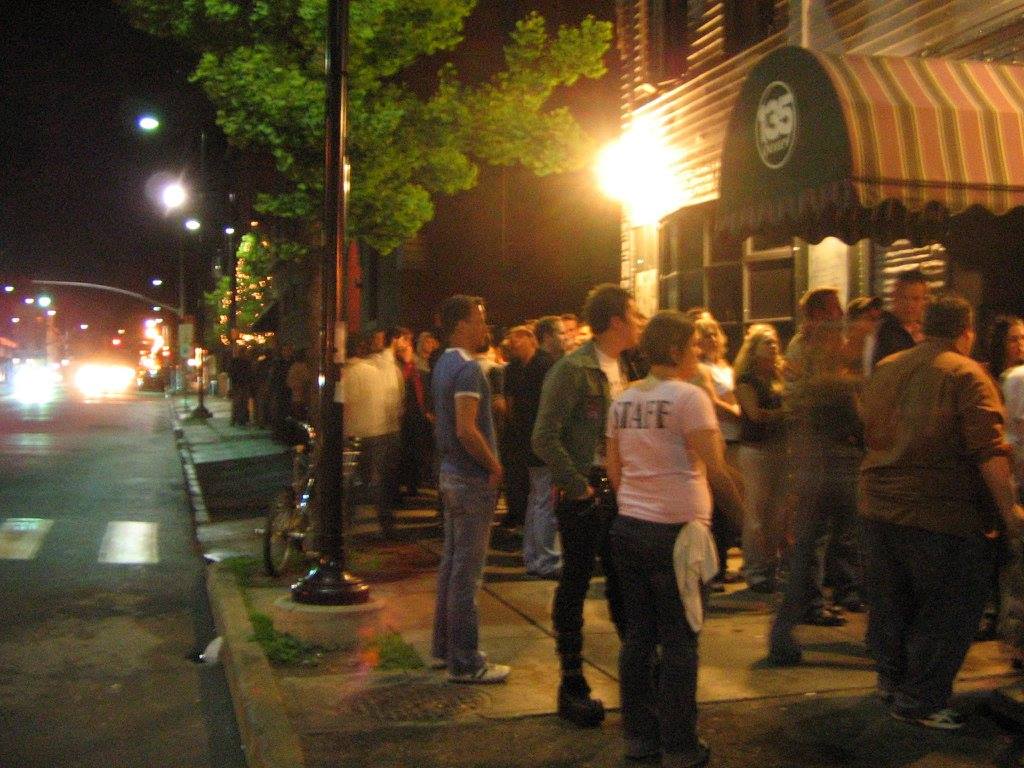
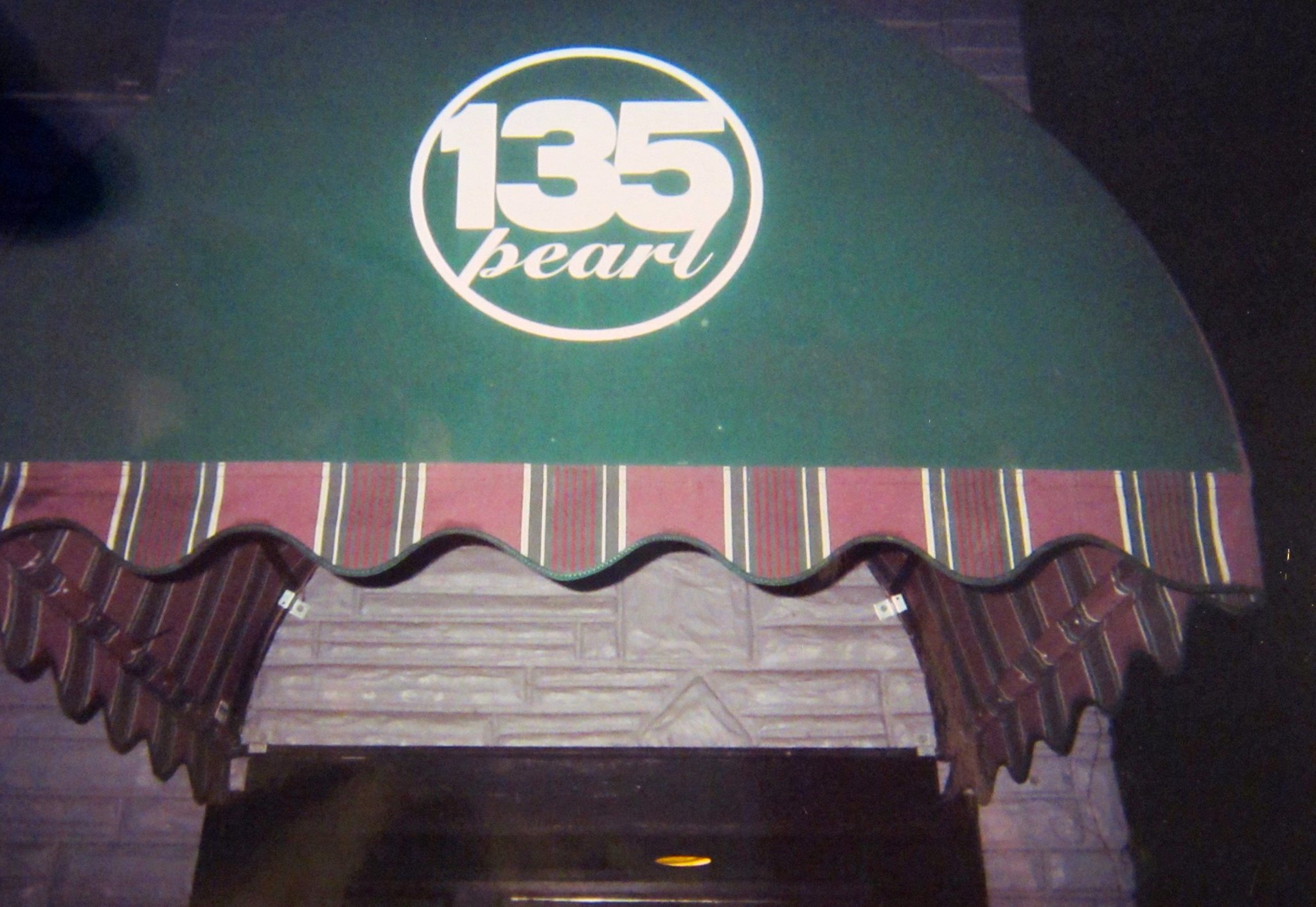
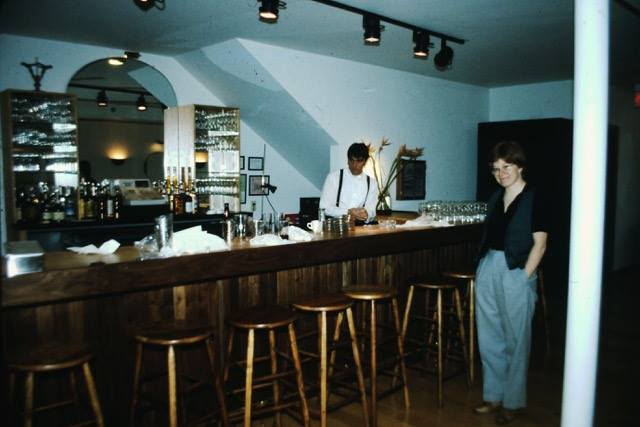
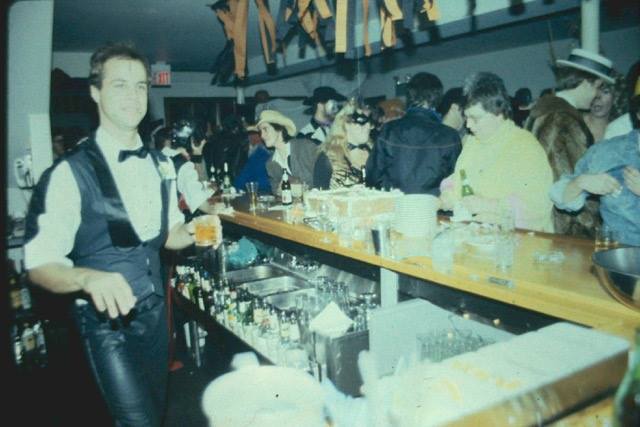
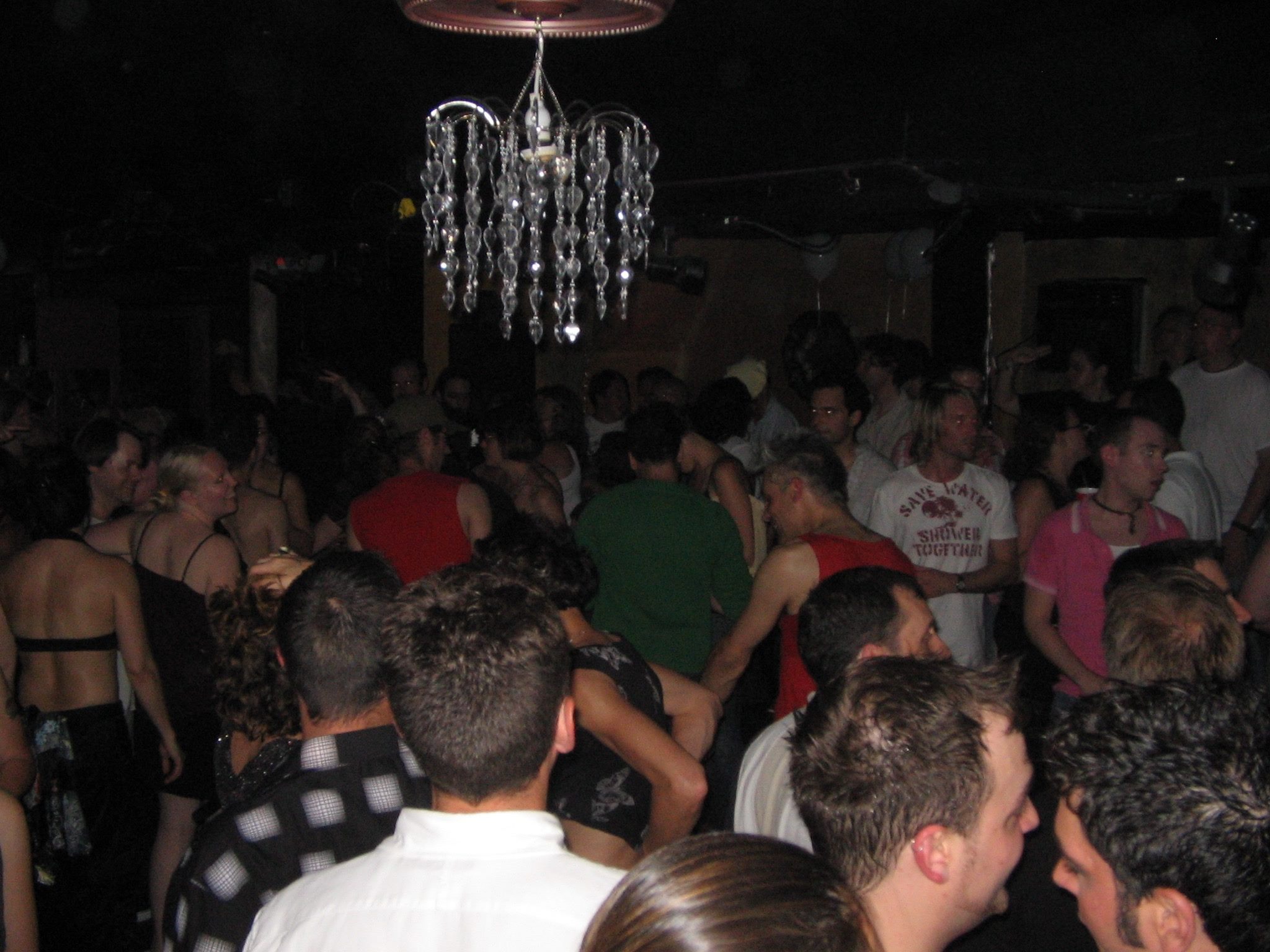
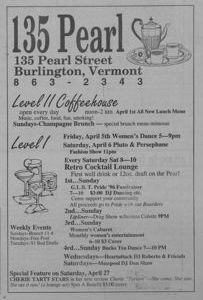
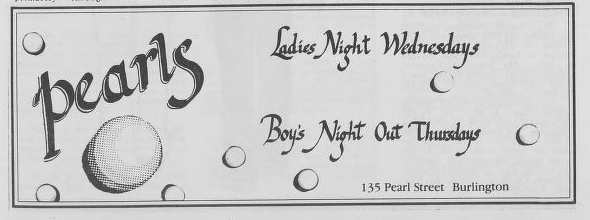
Pearl’s began in 1983, opened by Nancy Barnett, Jim Moyer, Ed Packen, and Barbara Volz in a modest white house at 135 Pearl Street. It quickly became a welcoming, queer-friendly restaurant and bar in Burlington’s downtown. In 1995, bartender–turned–manager Robert Toms and DJ Craig Mitchell took ownership, rebranding it as 135 Pearl and steering it in a more bohemian, queer-centric direction. They welcomed people of all races, genders, and orientations into a space free of discrimination, making it a true community hub. The venue came alive with drag shows, karaoke, theme nights, local theater performances, burlesque, bingo, and legendary post‑Pride parties, cementing its place in Burlington’s LGBTQ+ culture.
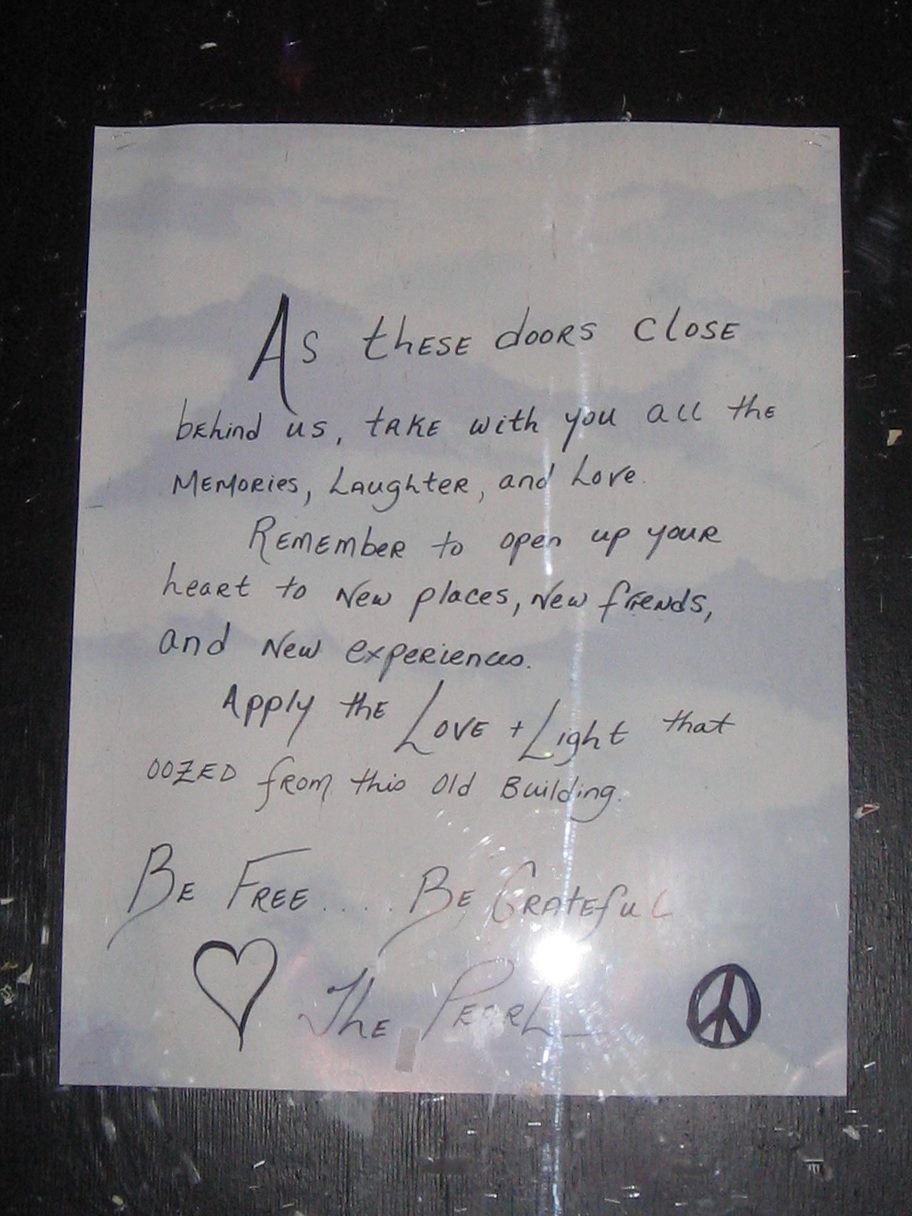
After a remarkable 22-year run, 135 Pearl closed its doors for good on June 3, 2006. Despite Robert Toms’s hopes that someone in the community would carry on its legacy, no buyers came forward, and the building was eventually converted into a Papa John’s pizzeria and later other businesses. For many, its closure represented more than the loss of a bar—it marked the end of Vermont’s only dedicated queer nightlife venue, leaving a void in the landscape of safe, creative space for LGBTQ+ and arts communities
242 Main
Burlington, Vermont
1986-2016
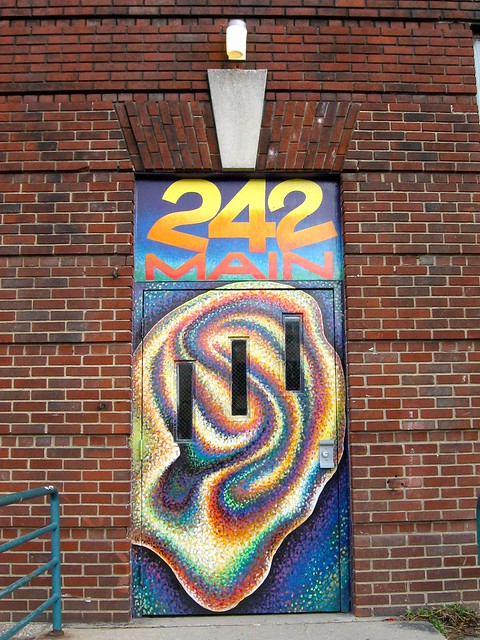
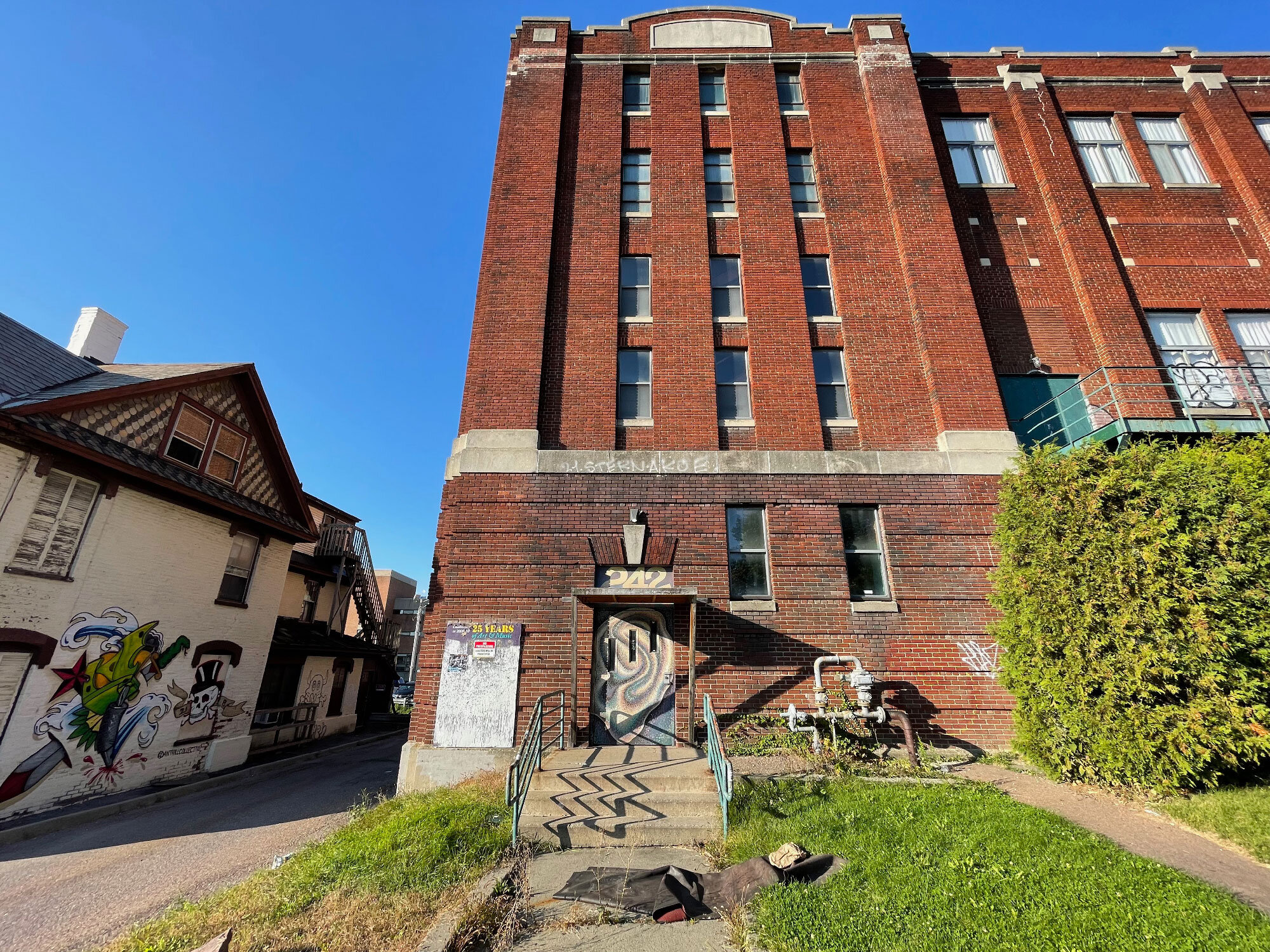
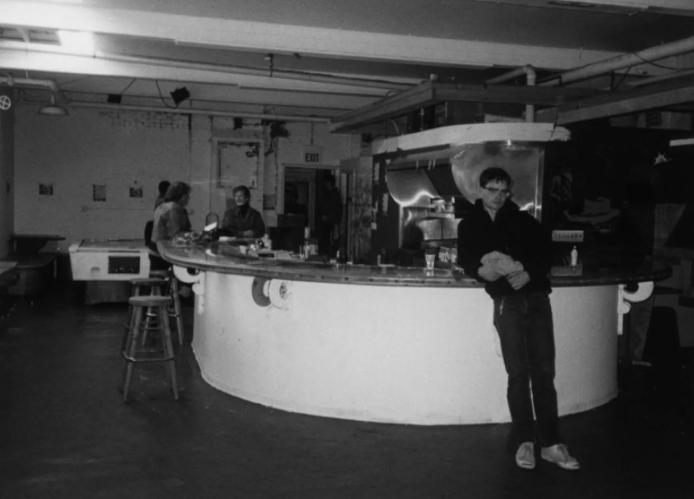
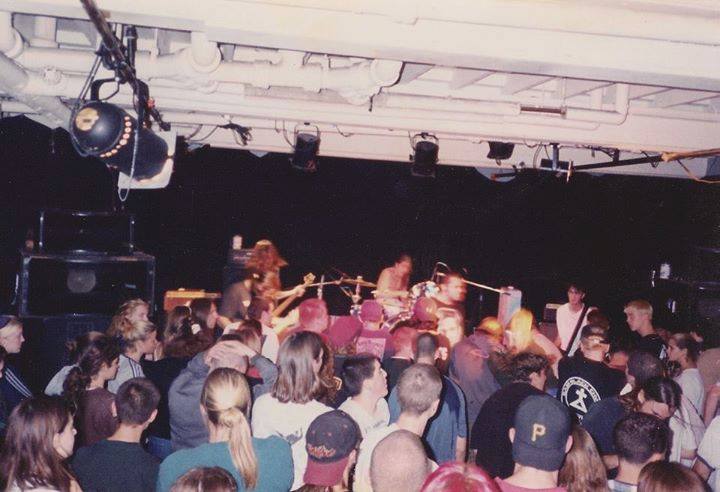
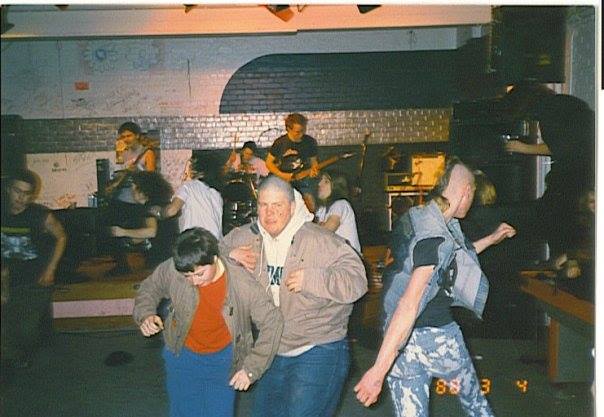
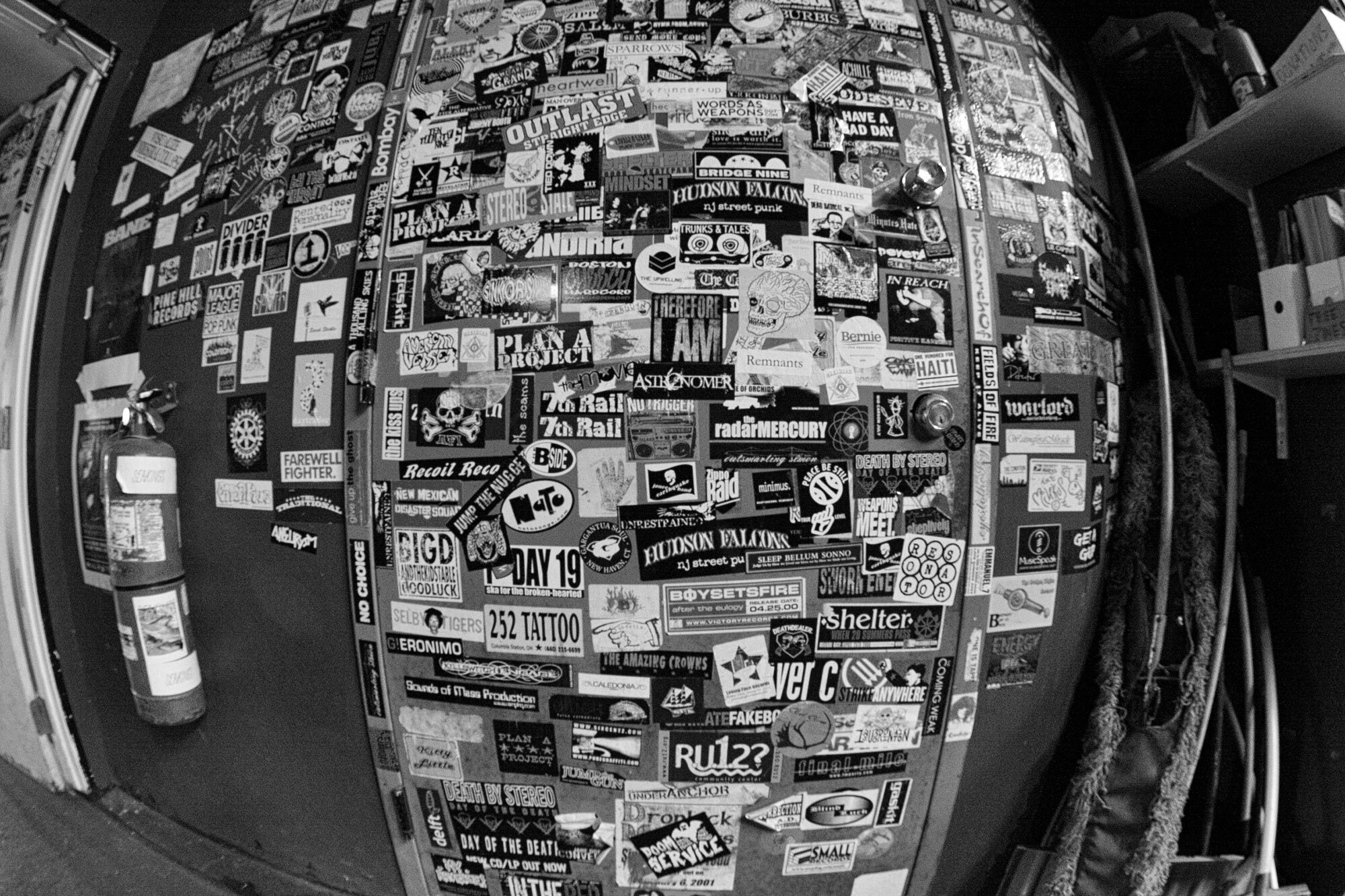
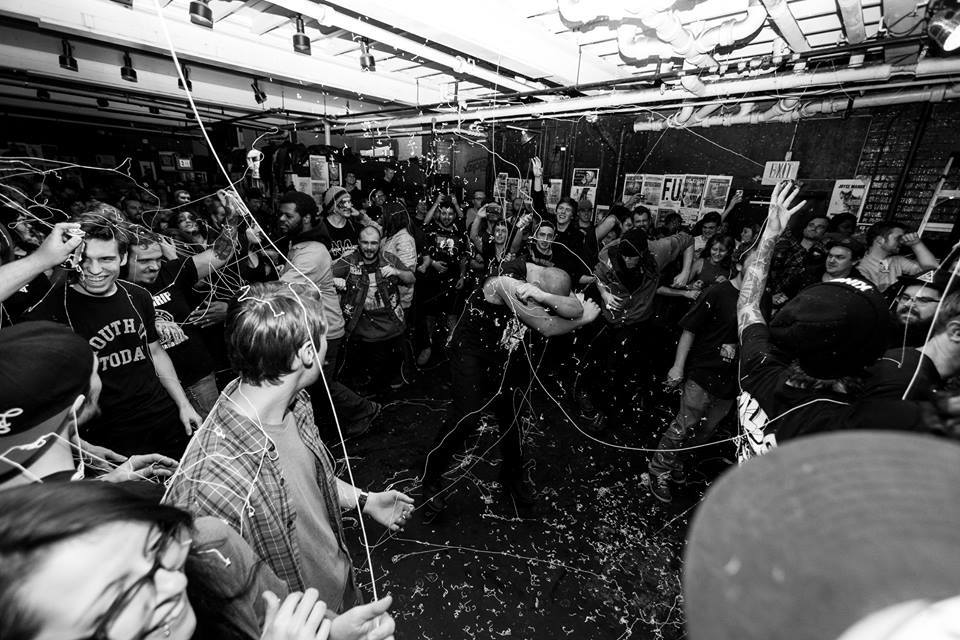
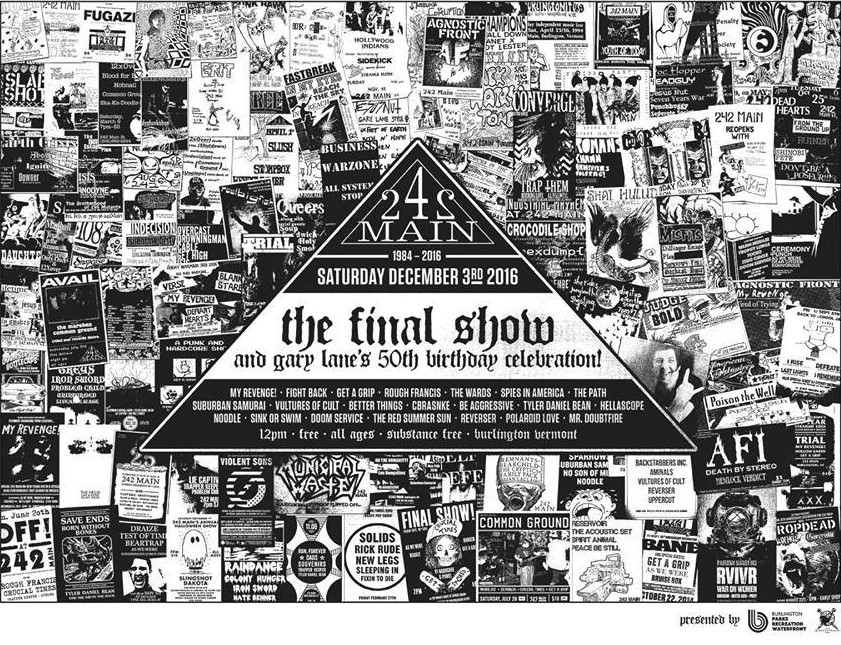
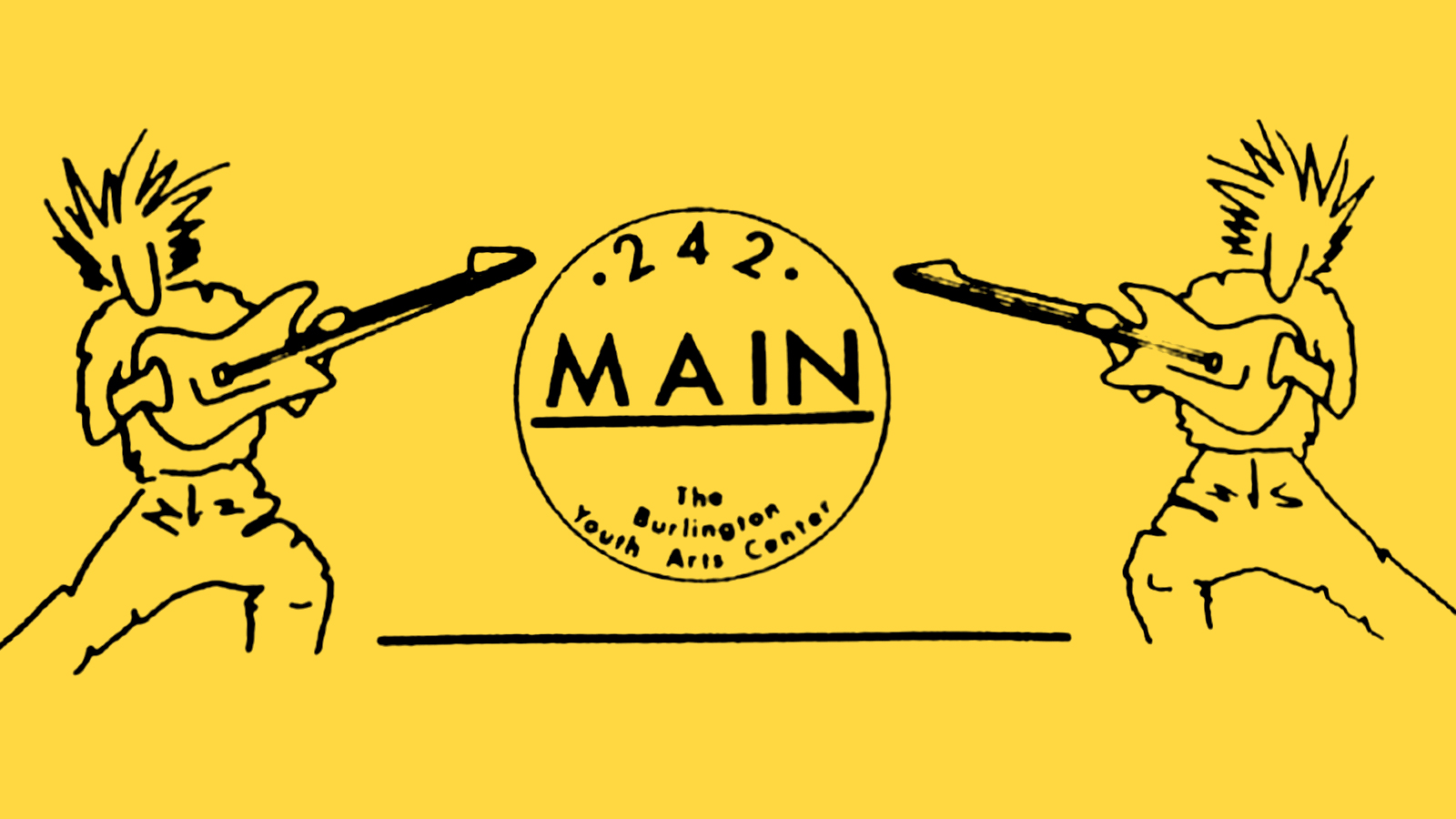
Nestled in the basement of Burlington’s Memorial Auditorium, 242 Main opened in March of 1986 as a teen drop‑in center funded by the Mayor’s Youth Office, established during Bernie Sanders’s time as mayor. Teens transformed what had been a vacated water department office into a flourishing creative space, with programming conceived and operated by young people themselves. Over the next three decades, it became a city‑run all‑ages punk venue — America’s longest‑running of its kind — hosting hundreds of local and touring bands, including legendary acts like Fugazi, Agnostic Front, and Black Flag.
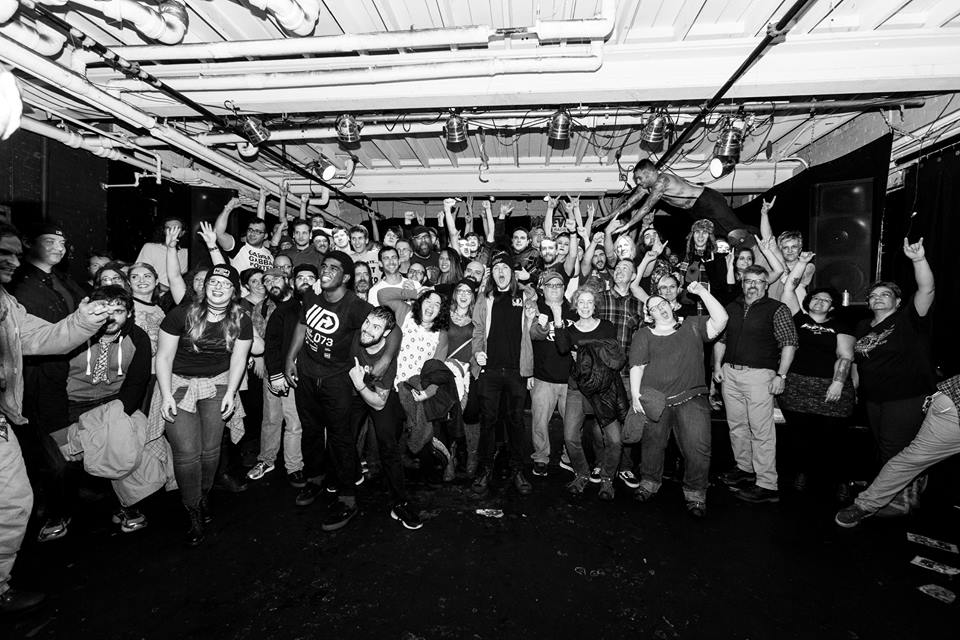
After more than thirty years as a safe haven for youth, radical creativity, and Vermont’s punk scene, 242 Main was shuttered in 2016 when Memorial Auditorium was deemed structurally unsafe. Its final show marked a dramatic end to an era — but the community didn’t let its spirit fade quietly. Advocates and organizations like Big Heavy World have continued pushing for restoration and the return of teen‑led programming, emphasizing the value such spaces hold in fostering self‑expression, community building, and creative growth.
 suspiciousduckvt.com